
Key takeaways
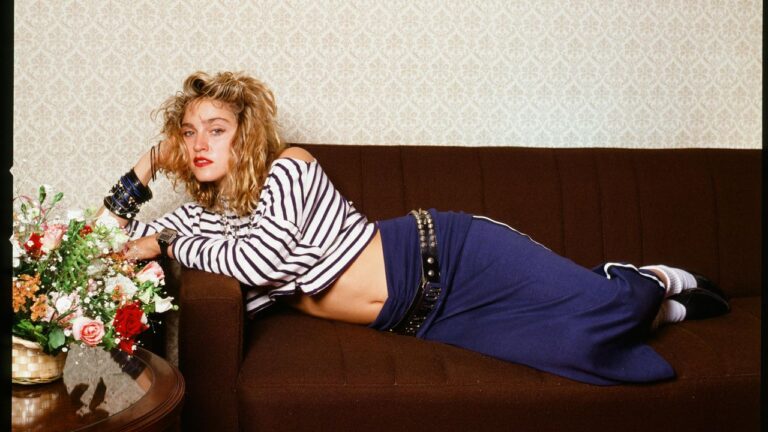
- Madonna's visual transformations across her career tied beauty to specific artistic messages, treating appearance as language rather than decoration.
- Modern pop stars typically maintain signature aesthetics across musical eras to preserve brand consistency and monetize their looks as products.
- Social media algorithms reward visual consistency, creating pressure against the radical reinvention that characterized Madonna's approach to beauty.
Madonna’s most recent appearance at the MTV Video Music Awards continues a pattern established over four decades: the pop icon steps onto a stage in leather and fishnets, latex, or whatever costume best telegraphs her current message. This latest entrance joins a catalog that includes a wedding dress at the very first VMAs in 1984 and a tuxedo at the 2003 ceremony, where she kissed both Christina Aguilera and Britney Spears, who wore bridal gowns, while presenting. At these moments, before any song plays, viewers already know Madonna intends to disrupt something.
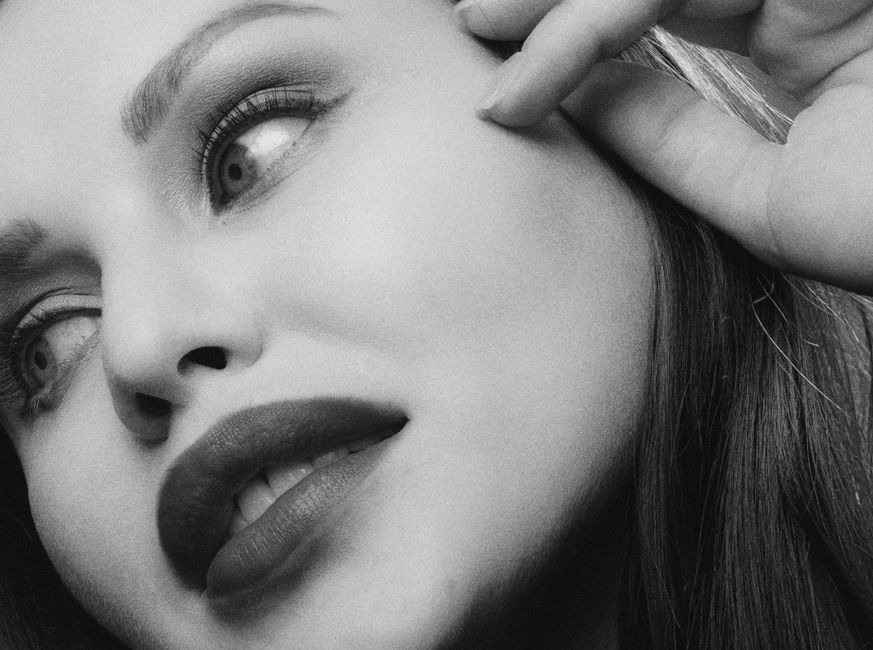
Her 15th studio album, Confessions II, arrived at the VMAs with 13 nominations and departed with seven wins. It functions as a sequel to 2005’s Confessions on a Dance Floor, and with its release, Madonna demonstrates what contemporary reinvention can mean when an artist refuses to lock into a single visual identity. The imagery surrounding the album abandons the red-blonde Farrah Fawcett curls and glittery disco vocabulary of the original Confessions; instead, it presents boudoir-inspired pinks and purples against satin and lace. Her skin reads luminous, her eyes sharply defined, while her hair deliberately appears less “done”—a subtle softness that contradicts the polish elsewhere in the visual language. The New York Times has called her “Pop’s Headmistress of Reinvention,” a title earned not through trend-chasing but through deliberate aesthetic decisions tied to what she wanted to communicate at each stage.
The VMA Moments That Defined Beauty as Protest
Each of Madonna’s VMA appearances represents a distinct moment in her visual evolution. The wedding dress in 1984 signaled provocation. The tuxedo kiss with two women in 2003 became performance art that engaged with ideas about gender and desire. The leather and fishnet outfit last night continues this vocabulary, not as a reference to a past self, but as another chapter in a career where appearance functions as its own statement.
The 1984 Wedding Dress and Early Provocation
At the first MTV Video Music Awards, Madonna wore bridal white at a moment when few pop stars used their clothing as argumentative. The choice was calculated; it announced that she would treat the stage as a space for boundary-pushing rather than safe choices.
2003: Gender Performance and Artistic Intention
The tuxedo moment with Aguilera and Spears operated on multiple registers simultaneously. Madonna dressed as the groom, repositioning herself within a heteronormative visual grammar while her co-presenters occupied the traditional bride role. The kiss became inseparable from the costume—the outfit made the gesture legible as deliberate rather than spontaneous.
Confessions II and the Language of Softness
The album’s visual aesthetic marks a deliberate departure from its predecessor, yet it avoids becoming a simple reversal. The softness is intentional, yet the polish remains. This represents not a retreat into conventional femininity but a reclamation of elements Madonna explored across decades.
The campaign imagery draws from her own archival collection, using costumes pulled directly from her closet. For an audience increasingly drawn to “vintage” aesthetics, often meaning anything from before they were born, these pieces carry authenticity that replicas cannot. The boudoir palette of pinks and purples sits alongside luminous skin and defined eyes, creating a visual language that feels both familiar and evolved.
Career-Spanning Aesthetic Transformations
Madonna’s reinvention extends beyond single albums or eras. Each represents a complete visual system designed to support a specific artistic message.
From Virgin to Dominatrix: Early Shape-Shifting
“Like a Virgin” presented teased hair and bows, a visual vocabulary of innocence deployed ironically. “Material Girl” arrived with Marilyn-Monroe curls, positioning Madonna within Hollywood glamour while the song’s lyrics critiqued consumerism. The provocative imagery of Erotica established severe sexuality as another possible mode. Ray of Light introduced the ethereal earth mother aesthetic, a spiritual pivot that extended to visual presentation as much as sonic material. Each look communicated independent meaning; the hair and makeup were not decorative elements but integral to what the music could say.
Like a Prayer: Using Beauty for Political Language
The 1984 “Like a Prayer” music video demonstrated how completely Madonna understood appearance as a communication tool. She abandoned the platinum Marilyn curls of earlier work for dark waves and a simple slip dress. The visual shift mattered because the content demanded it: dancing before burning crosses while kissing a Black saint, engaging with race, religion, sexuality, and injustice. The Vatican’s objection validated what Madonna had already understood: how she looked could carry as much argumentative weight as the religious imagery surrounding her. The image preceded the message; viewers understood the stakes before processing lyrics.
The 2003 VMA Kiss: Gender Fluidity as Aesthetic Statement
Returning to the stage in a tuxedo, flanked by brides in white, Madonna performed gender fluidity before the term entered mainstream discourse. The kiss registered as transgressive partly because she had already established through costume that the moment would challenge expectations about desire and presentation.
How Modern Pop Stars Abandoned Reinvention
Contemporary musicians still claim to have “eras,” but these typically maintain a consistent fashion and beauty aesthetic regardless of album or artistic direction. Taylor Swift has cycled through thematic eras, including folklore, evermore, and Midnights, while maintaining her signature blonde bangs and red lip across every era. The look functions as a logo, immediately recognizable across platforms.
The Brand Identity Trap
Rihanna, Beyoncé, Ariana Grande, and Selena Gomez have each built beauty into discrete business entities. Their signature looks have become products, including tutorials, campaigns, and skincare lines. When appearance can generate revenue independent from music, radically altering it begins to feel like destroying brand equity. Madonna herself launched MDNA Skin, yet her career trajectory suggests she never allowed the skincare line to dictate her visual choices. The business served her existing aesthetic rather than constraining future ones.
Social Media’s Role in Visual Conformity
Across every platform, a person’s face becomes their logo, an optimization for engagement rather than expression. The algorithm rewards consistency. An artist who maintains recognizable features across platforms can monetize that consistency through campaigns, product launches, and sponsored content. Abandoning a signature look begins to read as abandonment of brand identity itself. The same platforms that provide endless transformation tutorials simultaneously penalize artists who actually transform.
Beauty as Language Versus Beauty as Algorithm
What separates Madonna’s approach from contemporary practice is her treatment of appearance as meaningful rather than decorative. Before she sang a lyric, her hair, makeup, and clothing had already established what she intended to say. The visual preceded and supported the message.
The Narrowing of Beauty Ideals
Beauty culture increasingly pushes toward a standardized ideal of perfection, with social media acting as the guidebook. Users receive constant instruction on how to look “their best,” build a recognizable brand, and sand away individual characteristics in pursuit of engagement. For artists given the largest platforms to experiment, following this same playbook represents a missed opportunity for expanding what beauty culture could mean.
Archival Aesthetics Without Artistic Meaning
Gen Z has embraced “archival” aesthetics, including wired headphones, hair rollers, and low-rise jeans, often simply as nostalgia for things that existed before they were born. These choices carry impracticality without proportionate artistic justification. What these trends convey, primarily, is cultural knowledge rather than artistic or social change. By contrast, each of Madonna’s transformations arrived tied to specific creative intent.
The Reinvention That Requires Risk
Madonna’s career demonstrates that genuine reinvention demands willingness to abandon what worked previously. It requires accepting that a new look might alienate audiences invested in the old one. It requires accepting that consistency is abandoned as a value.
For a generation with more beauty inspiration available than any previous cohort, transformation should theoretically be easier. Instead, social media creates hyperawareness of which transformations are flattering, clickable, and commercially viable. The pressure toward a singular, recognizable aesthetic operates in opposition to creative risk.
What Madonna offers is not a template for her specific transformations, but rather a model in which beauty becomes inseparable from what an artist wants to say. The lesson is not that everyone should abandon their signature look, but that those with platforms to experiment have a choice: optimize for brand consistency or use appearance as language. Madonna chose the latter, and four decades later, her visual legacy communicates as forcefully as her discography.
Source: Allure
Frequently Asked Questions
What did Madonna do at the 2003 MTV Video Music Awards?
Madonna wore a tuxedo and kissed both Christina Aguilera and Britney Spears, who wore bridal-inspired attire while presenting. The performance used costume to engage with ideas about gender roles and desire.
How does Confessions II's aesthetic differ from the original 2005 album?
The original Confessions on a Dance Floor featured Farrah Fawcett-style red-blonde curls and glittery disco glamour. Confessions II uses boudoir-inspired pinks and purples with satin and lace, featuring more polished luminous skin and defined eyes, with deliberately less done hair.
Why did the 'Like a Prayer' video matter for beauty culture?
Madonna abandoned her platinum Marilyn curls for dark waves and a slip dress. The visual shift supported the video's exploration of race, religion, sexuality, and injustice through imagery of burning crosses and kissing a Black saint. The Vatican's objection confirmed that her appearance carried argumentative weight equal to the religious imagery.
