

Key takeaways
- Moisturizing cleansers contain glycerin, hyaluronic acid, and ceramides that hydrate while cleansing, making them ideal for dry and sensitive skin.
- Avoid overcleansing: wash twice daily unless skin is extremely dry or irritated, in which case use water in the morning and reserve cleanser for night.
- A hydrating cleanser prepares your skin barrier for the rest of your routine but does not replace a dedicated moisturizer.
- For acne-prone skin, moisturizing cleansers with minimal ingredients and soothing actives prevent the dryness caused by acne-fighting medications.
A quality cleanser does far more than remove the day’s surface grime—it shapes how your skin feels for the rest of your routine. According to Kseniya Kobets, MD, a board-certified dermatologist in New York, a moisturizing face wash rinses away makeup, sunscreen, and dirt while delivering hydration, replenishing the skin barrier, and addressing concerns like redness and acne.
The difference between a moisturizing cleanser and a standard one lies in the formula itself. Look for creamy, lotion-like textures rather than thin cleansers that leave skin feeling squeaky. Hydrating ingredients matter—glycerin and hyaluronic acid are humectants that draw water into the skin, while ceramides and squalane support the barrier. “The goal is clean skin, not ‘squeaky-clean’ skin,” Dr. Kobets says. These formulas work well for dry skin, sensitive skin, and mature skin alike.
During colder months, a moisturizing cleanser becomes especially valuable. Low humidity and dry air deplete skin of moisture and invite irritation. A hydrating formula prevents the barrier damage that comes from standard cleansing in harsh seasons.
Key Hydrating Ingredients
Glycerin stands out as an underestimated ingredient in skincare. According to Dr. Nazanin Saedi, a board-certified dermatologist in Pennsylvania, glycerin is “an excellent humectant, meaning it attracts water and helps the skin hold onto it.” The Prequel Gleanser Glycerin Body and Face Cleanser, which won a 2026 Best of Beauty Award, contains glycerin as 50% of its formula—a concentration that explains its hydrating power. The cleanser also includes oat extract and aloe for soothing benefits, making it suitable when skin feels sensitive or irritated.
Hyaluronic acid functions similarly to glycerin, pulling moisture into the skin. When shopping for a hydrating cleanser, prioritize these humectants alongside barrier-supporting ingredients like ceramides and squalane. The texture of the formula matters equally—some moisturizing cleansers start creamy and transform into foam as you work them in, offering the comfort of a cream cleanser with the thorough rinse of a foam product, effectively combining two cleansing steps into one.
For Sensitive and Reactive Skin
Managing Redness and Irritation
When skin reacts to products—showing tightness, itchiness, or noticeable redness—the cleanser should fade into the background rather than create further irritation. Dr. Kobets recommends simplicity: “With redness, I prioritize fragrance-free formulas and barrier preservation rather than trying to ‘deep clean’ the skin.”
The Avène Tolérance Foaming Facial Cleanser takes this minimalist approach, relying on thermal spring water rich in soothing minerals, niacinamide to calm irritation and support the barrier, and glycerin for hydration. Its soap-free formula lifts away makeup and sunscreen without stressing sensitive skin.
For Allergy-Prone Complexions
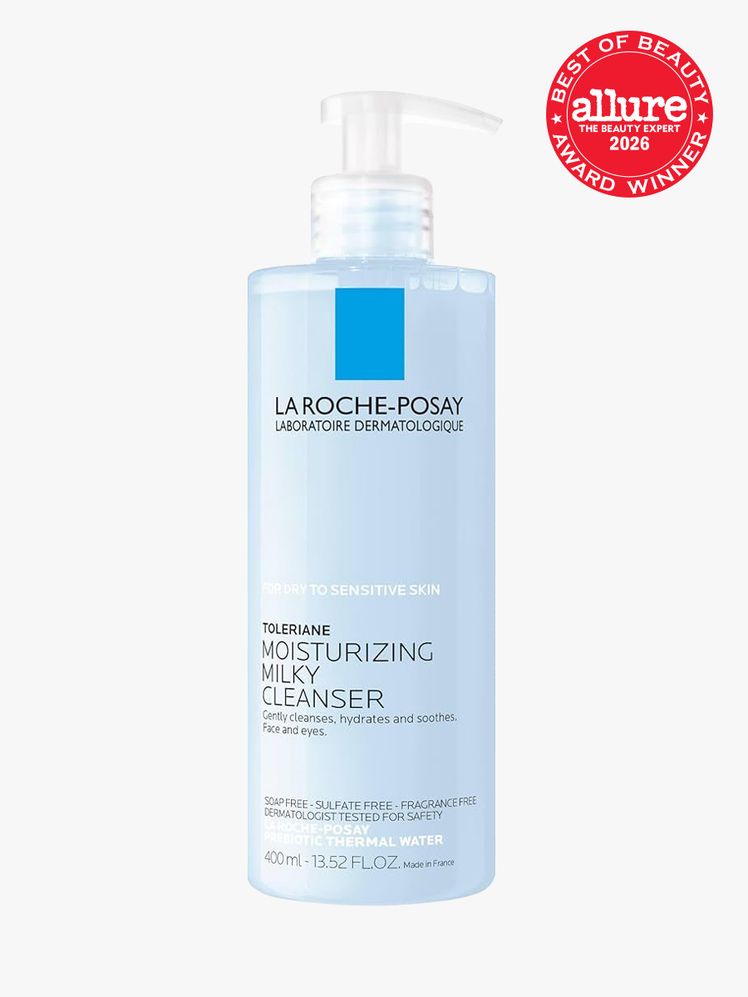
La Roche-Posay Toleriane Moisturizing Milky Cleanser, another 2026 Best of Beauty winner, suits allergy-prone and sensitive skin types. The nine-ingredient formula keeps things uncomplicated: mineral-rich thermal spring water calms skin while glycerin boosts hydration. A shorter ingredient list means fewer potential irritants, making it accessible for those with reactive skin.
Removing Stubborn Makeup
Long-wear foundation and waterproof mascara often leave traces behind standard cleansers. The Elemis Nourishing Omega Rich Cleansing Oil tackles stubborn formulas with a blend of pomegranate, winter rose, and chia seed oils. These oils glide over skin and dissolve makeup without aggressive scrubbing, then rinse away cleanly. “The omega-rich oils contain fatty acids that support the skin barrier and leave the skin feeling softer and more comfortable,” Dr. Saedi notes. The formula leaves skin soft rather than stripped—a key difference from many cleansing oils that leave behind heaviness or residue.
For Dry and Acne-Prone Skin
The assumption that acne-prone skin must use stripping cleansers overlooks a crucial need: moisture. Acne-fighting actives like benzoyl peroxide and salicylic acid often leave skin dry and flaky. The Skinfix Balancing Soft-Foam Clay Cleanser balances this problem by pairing 1% betaine, a humectant that attracts and retains water, with 4% kaolin clay to absorb excess oil. The result is a creamy mousse that lifts oil and acne-causing buildup without sacrificing hydration.
For those seeking an affordable option, the CeraVe Hydrating Cream-to-Foam Cleanser delivers without a premium price tag. It includes ceramides to support the skin barrier and humectants to pull hydration into the skin. The texture begins rich and creamy, transforming into a soft foam as you work it in—Dr. Kobets calls this “the best of both worlds,” combining the comfort of a cream cleanser with the thorough rinse of foam.
How Often to Cleanse
Washing twice daily—once in the morning and once at night—sets a clean foundation for your skincare routine. A morning cleanse removes sweat, oil, and residue from nighttime products, while an evening wash clears away sunscreen, makeup, pollution, and accumulated oil and debris. This practice gives your morning and nighttime routines a clean slate so subsequent products can work effectively.
One exception exists: if your skin is extremely dry, actively irritated, or experiencing an eczema flare, a morning cleanse may cause more harm than good. Dr. Saedi recommends rinsing with water in the morning and saving the gentle cleanser for nighttime. You should cleanse after significant sweating, but resist the urge to overwash or scrub repeatedly—both compromise the skin barrier.
Understanding Cleansers in Your Routine
A moisturizing cleanser does not replace your moisturizer, according to Dr. Saedi. Even the most hydrating face wash requires a hydrating cream or serum afterward. That said, a well-formulated cleanser sets the foundation for balanced skin. “A well-formulated cleanser can minimize the loss of natural moisturizing factors and lipids while depositing humectants or emollients that leave the skin softer and more comfortable,” Dr. Kobets explains. In this way, your cleanser prepares your skin for the products that follow, acting as the opening step that determines how the rest of your routine performs.
Source: Allure
Frequently Asked Questions
What ingredients should I look for in a moisturizing cleanser?
Glycerin and hyaluronic acid are humectants that attract water and hydration into the skin. Ceramides and squalane support the skin barrier. For sensitive skin, look for soothing ingredients such as Centella asiatica (cica), oat, allantoin, or panthenol, and prioritize fragrance-free formulas, since fragrance is a common irritant.
Can I use a moisturizing cleanser if I have acne?
Yes. Acne-prone skin still needs hydration, especially when using drying actives like benzoyl peroxide or salicylic acid. A moisturizing cleanser balances oil control with hydration, supporting your skin barrier while treating breakouts.
Do I need to cleanse twice a day?
Twice daily—morning and night—is a good rule of thumb. However, if your skin is extremely dry, actively irritated, or experiencing an eczema flare, rinsing with water in the morning and using your cleanser only at night may be gentler on your barrier.
