
Key takeaways
- Protective hairstyles minimize friction and manipulation, allowing curly and coily hair to retain length and stay healthy by reducing breakage.
- Common protective styles include braids, twists, locs, Bantu knots, sew-ins, and wigs, each with different installation methods, durability, and professional requirements.
- Tension, product buildup, and improper removal pose real risks including traction alopecia and scalp damage; weekly washing with detoxifying shampoo and use of scalp sprays are essential.
Protective hairstyles have become a cornerstone of natural hair care, but the term itself might feel new even if the practice isn’t. If you wear tightly curled or coily hair, chances are you’ve already used protective styles multiple times—whether you called them that or not.
The fundamental purpose is straightforward: protective hairstyles shield hair from the friction, manipulation, heat, and environmental damage that can weaken the strands. “They’re designed to protect the hair from damage, over-manipulation, heat, environmental stressors, and anything that can cause damage to the hair shaft,” explains Cataanda James, a New York-based cosmetologist and curly hair expert. This protection matters especially for coily and curly hair types, where natural scalp oils travel down the strands more slowly, leaving the hair more fragile and prone to breakage. By keeping manipulation to a minimum, you reduce friction and, consequently, reduce breakage. “Your natural hair can retain length and stay healthy,” notes Kia Harper, a professional braider based in California.
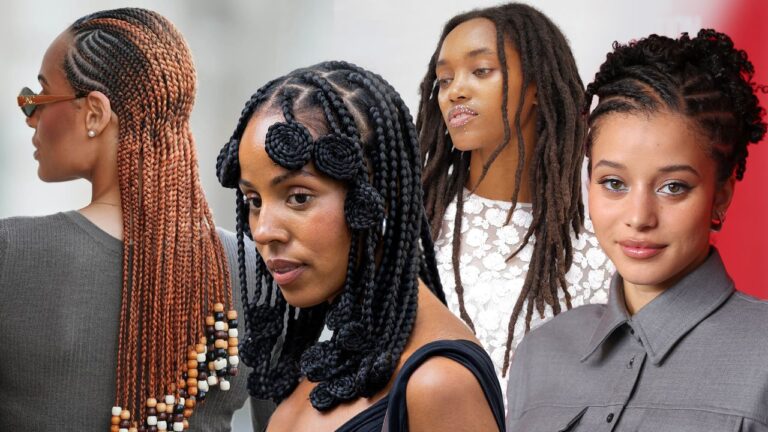
The range of styles that qualify as protective is broad. Braids, twists, locs, crochet styles, sew-ins, Bantu knots, and wigs all fall into this category. Rashuna Durham, a professional hairstylist based in Binghamton, New York, points out that “even a tucked bun can be protective.” The most common protective styles tend to cluster into a few major categories, each with its own subset of techniques and variations.
Braids: Versatility and Longevity
Braids remain perhaps the most recognizable protective style. “Braids are typically formed with three or more sections of hair,” James explains, “and these sections are woven over and around one another.” What makes braids so popular is their versatility and durability. “Many braided styles can also be restyled into buns, ponytails, or updos, giving people several looks from one installation,” says Ladosha Wright, an Ohio-based professional hairstylist. They hold up well over time, with some styles lasting well over a month, and allow you to add fullness and length using extensions.
Box Braids and Variations
Box braids represent one of the most enduring braid styles. Within this family sit knotless braids, including the trendy goddess and boho varieties. The key difference in knotless braids is how the added hair is incorporated: it’s gradually fed into the plait rather than tied in at the base with a knot. Durham notes that these styles “are especially popular because they can create a lighter, more flexible feel when installed properly.”
Cornrows and Fulani Styles
Cornrows, braided tightly to the scalp in straight lines, offer a sleek alternative. Fulani-inspired styles take this technique further, starting with cornrows in the front before the braids cascade into loose plaits down the back, creating a softer overall appearance.
Twists: The Overlooked Classic
While twists don’t receive quite the same level of attention as braids, they deserve consideration. “Twists are typically created by wrapping two sections of hair around each other,” Durham explains. This simpler construction makes them more accessible for DIY styling while still delivering real protective benefits.
Two-Strand and Flat Twists
Classic two-strand twists, where hair is sectioned, wrapped around itself, and hangs down as plaits, rank among the easiest protective styles to create without professional help. Mateo Kirkpatrick, a hairstylist based in Dallas, describes them as the protective-style equivalent of a BOGO deal: “You can wear the twist and then eventually wear a twist-out and get a two-in-one style.” Flat twists, which sit close to the scalp similar to cornrows, offer a more polished appearance while maintaining that two-section structure.
Extended Twist Options
When extensions enter the picture, the options expand significantly. Senegalese twists, passion twists, and Marley twists all use added hair to create fuller, longer-lasting styles. Wright recommends these extension-based twists as popular choices. Mini twists, which use very small sections of hair, work either with or without additions and create their own distinct aesthetic.
Locs: A Long-Term Commitment
Locs represent a different category altogether, requiring intentional time and effort. “Locs are created as sections of hair intentionally intertwine and form together over time,” Durham explains. Starting a loc journey involves choices about technique and timeline.
Installation Methods
One popular approach is booking a comb coil appointment with a loctician. The process begins with clean, gelled hair sectioned based on density and preferred parting. The stylist uses a tapered barber comb to coil each section, then places the client under a hooded dryer for 30 to 45 minutes. Wright describes the finishing touch: “applying spritz for the final 15 to 20 minutes to set the style. Once the hair is completely dry, the loc journey begins.”
Alternative methods include semi-free-form approaches, where you twist the hair and allow it to loc naturally, or fully free-form styles that let loose hair begin locking on its own. Regardless of the starting method, naturally coily hair will continue to loc as it grows.
Loc Variations and Temporary Options
Wicks, Sisterlocks, and microlocs represent different sizing and styling choices within the loc spectrum. For those hesitant about the permanence of traditional locs, which require far more time and effort to remove than most protective styles, faux and soft locs offer temporary alternatives that achieve a similar visual while keeping the natural hair unaltered.
Bantu Knots: Two Styles in One
Named after the Bantu people of Sub-Saharan Africa, Bantu knots involve hair that is wound tightly (but not excessively so) upon itself after being parted into sections and twisted or braided. The resulting knots can be small, medium, or large, and work with natural hair or extensions. Like two-strand twists, Bantu knots deliver dual-purpose styling. Once you unravel them, the natural texture emerges defined and textured. As hairstylist Monae Everett previously told Allure, they’re “a great way to create heatless waves or preserve your curls overnight.”
Extensions and Wigs
Protective styling extends beyond braids and twists into added-hair methods. “A weave is a protective style that interlocks, attaches, connects, or weaves in extension hair, usually human, to natural hair in some form or fashion,” James explains. Among these options, the sew-in method stands out for those with coily hair: natural hair is cornrowed first, then extension hair is sewn into the braids. “From my experience, a sew-in is the most protective way to add length and fullness to one’s hair,” James continues. “Since the natural hair is braided and totally tucked away and secured under the weave, it’s the least exposed.”
Wigs, including full wigs, half wigs, and partial styles, can also count as protective with a crucial caveat. Full wigs covering the entire scalp can block oxygen and nutrients to follicles, eventually impacting growth. So while wigs qualify as a protective method, the key is removing them daily or periodically rather than wearing them continuously.
Care and Cautions
Protective styling comes with real responsibilities. Tension and product buildup represent the two most serious concerns. “Excessive tension, heavy extensions, product buildup, and improper takedown can all lead to breakage, thinning, and scalp irritation,” Harper warns. If a style pulls too tightly or feels too heavy, it can cause severe traction on the scalp, disrupting the normal hair-growth cycle and potentially causing irreversible scarring. Dr. Jeanine Downie, a board-certified dermatologist based in Montclair, New Jersey, explains that telltale signs include small red or white bumps at the braid base, inflammation, or even dull pain. “Your hair shouldn’t hurt when you’re getting it done,” Harper emphasizes.
Protective styling isn’t a license to skip hair care. Dr. Downie recommends washing and conditioning once weekly and using a detoxifying shampoo to address buildup. According to Allure, Ouai’s Clarifying Detox Shampoo, formulated with apple-cider vinegar and chelating agents, effectively removes impurities without stripping the hair. For maintenance between washes, Cécred’s Scalp Refresher Spray features fermented ingredients designed to dissolve buildup and includes precision nozzle packaging that reaches into braids without disruption. When applying post-wash products, Dr. Downie suggests avoiding heavy, occlusive waxes in favor of lightweight, fragrance-free oils. Pattern’s Jojoba Hair & Scalp Oil Blend offers this profile, with jojoba as the primary ingredient.
Protective styling isn’t appropriate for everyone. Those with fragile or damaged hair should “focus on healthy hair growth first, rather than protective styling,” according to Dr. Downie. Anyone with a history of, or risk for, traction alopecia should skip these styles, as should those with seborrheic dermatitis, eczema, or other scalp conditions that could be triggered by the style itself. Similarly, if your skin tends toward sensitivity and you’re adding synthetic hair, consider investing in human hair instead; chemicals in synthetics can irritate reactive skin.
Finally, proper removal matters as much as installation. “It’s important to give your hair a break between installations and make sure you’re taking care of your natural hair underneath,” Harper stresses. A protective style should protect your hair, not compromise its health.
Source: Allure
Frequently Asked Questions
What exactly is a protective hairstyle?
A protective hairstyle shields hair from damage, over-manipulation, heat, and environmental stressors by minimizing friction and breakage. Examples include braids, twists, locs, Bantu knots, sew-ins, and wigs.
How often should I wash my hair in protective styles?
Dr. Downie recommends washing and conditioning once weekly with a detoxifying shampoo. Between washes, you can use scalp and braid sprays designed to dissolve buildup, followed by lightweight, fragrance-free oils like jojoba.
What signs indicate a protective style is too tight?
Warning signs include small red or white bumps at the braid base, inflammation, or dull pain. Your hair shouldn't hurt during installation; if it does, ask your stylist to loosen the style.
