

Key takeaways
- Ulta Beauty has installed Flock license plate reading cameras in fewer than 1% of its stores, prompting a privacy petition from gender justice advocates who oppose the surveillance.
- Ultra Violet argues that automated license plate readers disproportionately affect women and gender-expansive people, particularly when used by companies that market themselves to women.
- Flock cameras have been documented being used beyond retail theft prevention to track abortion clinic visitors, protesters, and immigrants, raising concerns about mass surveillance infrastructure.
- The adoption of ALPR technology by a major beauty retailer reflects broader anxieties about AI and surveillance expanding into everyday retail and personal spaces.
Ulta Beauty finds itself at the center of an escalating privacy debate following the public revelation that the beauty retailer has installed Flock cameras—AI-powered automated license plate readers—in select parking lots nationwide. The disclosure gained significant traction this week after creator Cheyenne Hunt posted a video to Instagram and TikTok, questioning Ulta’s partnership with Flock. The response was swift: social media users flooded comment sections calling for boycotts and pledging to shop elsewhere.
Flock Safety announced its partnership with Ulta Beauty in July 2025, positioning the cameras as a loss-prevention tool targeting vehicle theft. The revelation, however, touched a nerve among privacy advocates and women’s rights organizations. Ultra Violet, a nonprofit advancing gender justice and creating inclusive spaces for women and gender-expansive individuals, launched a petition demanding that Ulta terminate its relationship with Flock and deactivate all cameras in its parking areas.
Understanding the Technology
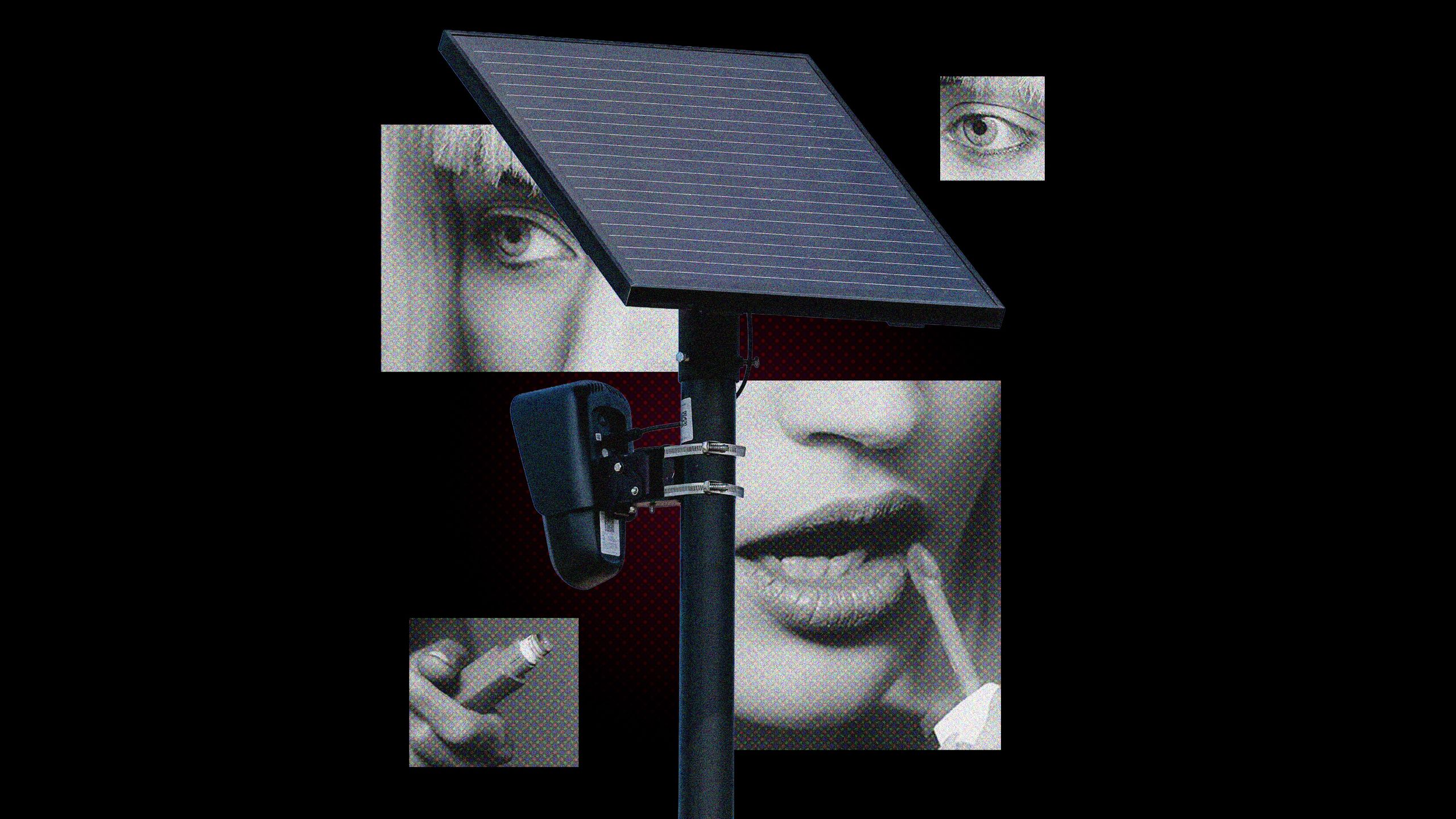
Flock cameras operate as automated license plate readers (ALPR), a category of surveillance technology that reads and analyzes vehicle license plates using artificial intelligence. Beyond plate data, the cameras also record vehicle makes, models, and colors. The system does not use facial recognition technology.
What distinguishes Flock from conventional parking lot security is its connection to law enforcement databases. While property owners control whether their footage enters these systems, Flock enables an optional data-sharing pathway with local police departments and federal agencies, including Immigration and Customs Enforcement.
At Ulta’s locations, this technology has already yielded operational results. Law enforcement has used Flock footage multiple times to identify suspects in theft cases, leading to arrests of individuals accused of stealing from stores equipped with the cameras. From an asset-protection standpoint, the technology delivers measurable value.
Current Implementation and Scale
Fewer than 1% of Ulta Beauty’s approximately 1,500 stores currently have Flock cameras installed. Every camera is positioned in a landlord-owned parking lot, meaning the retailer obtained explicit permission from property management before installation. According to a source familiar with Ulta’s practices, the company “complies with all applicable laws and strictly controls access to information collected by cameras.”
The limited rollout is significant in the debate unfolding around this technology. For advocates, the small percentage represents an opportunity to prevent wider adoption before it becomes normalized. For Ulta, it underscores that this remains a pilot rather than a company-wide mandate.
Why This Matters to Women and Gender-Expansive People
Consent and Surveillance
Jenna Sherman, campaign director for Ultra Violet, has centered her organization’s response on questions of consent and autonomy. Her work focuses specifically on the intersection of gender and technology, and she views Ulta’s surveillance adoption as emblematic of a larger pattern.
For women and gender-expansive customers visiting Ulta to purchase cosmetics or skincare, the parking lot experience has shifted. Vehicles now enter under automated surveillance—detection occurring without customer knowledge, notification, or ability to decline. Sherman emphasized the compounding loss of agency in daily life: “We have our consent taken away from us constantly, not just sexually, but in day to day interactions. We’re being told that we have to be okay with driving into a parking lot and having our license plate scanned whether we know it or not.”
Brand Contradiction
Ulta’s brand identity centers explicitly on serving women, positioning itself as a space designed for and by women. That positioning stands in tension with the adoption of technology that tracks female customers without their awareness. For gender justice advocates, this contradiction is worth addressing now, while the practice remains limited in scope.
Sherman articulated why the timing matters: “It’s all the more important that we’re speaking out now while the percentage is only 1% to make it crystal clear that women are not okay with this, that we will not accept it, that we will stand up in droves, particularly to companies that claim to be for us and built for us as customers.”
Broader Concerns About ALPR Misuse
Documented Uses Beyond Loss Prevention
Flock cameras and ALPR technology generally have been deployed in contexts that extend far beyond retail theft prevention. Documentation exists of the technology being used to track individuals entering abortion clinics, to monitor people attending protests, and to identify undocumented immigrants. Additionally, there have been reported cases of law enforcement officers using Flock footage to locate, stalk, and harass women.
In response to these allegations, Flock Safety has disputed several claims and removed certain states from its National Lookup database—a feature that previously allowed more open access to recorded footage. However, these corrective steps have not fully addressed underlying concerns about ALPR infrastructure being weaponized against vulnerable populations.
Mass Surveillance as a System
For Ultra Violet, the challenge extends beyond Ulta or Flock as individual entities. Sherman stated: “This isn’t a fight just about Ulta or just about Flock. The goal is not just to get Ulta to cut ties with Flock, but to actually dismantle this exponentially growing mass surveillance system on all levels.”
The concern reflects a larger visibility question: as individual companies adopt ALPR technology in isolation—a parking lot here, a commercial district there—the aggregate effect is a surveillance infrastructure that citizens rarely understand or consent to. From Sherman’s perspective, challenging individual deployments is necessary to preventing normalization of the broader system.
AI and Surveillance in Beauty Retail
Ulta’s Flock adoption arrives as anxiety about AI and automated systems is cresting within the beauty industry itself. Beauty professionals have reported a recent surge in clients arriving with AI-generated reference images for their consultations. These images require additional appointment time to address, as stylists and makeup artists must recalibrate expectations around what the AI generated versus what is realistically achievable.
Kylie Jenner’s MetaGlasses, promoted as an AI-enabled smart eyewear product, faced skepticism and pushback in privacy-conscious communities. When a major beauty retailer known for serving women adopts tracking technology simultaneously with rising concerns about AI’s role in daily life, it taps into existing apprehension about surveillance expansion and data capture.
Moving Forward
Ulta Beauty has not yet issued a public statement responding to the petition or the viral criticism. The company’s existing position emphasizes that cameras are present at a minimal number of locations and serve a defined operational purpose focused on loss prevention.
Ulta’s distinction—that cameras exist only where landlord permission was obtained—appears designed to address compliance questions. However, it does not directly engage with the consent-based concerns Ultra Violet has raised. From a customer loyalty and brand positioning perspective, the question facing Ulta is whether the loss-prevention benefit of license plate tracking justifies the cost to trust and brand alignment with customers who expect privacy when entering retail spaces.
Frequently Asked Questions
What is a Flock camera and how does it work?
Flock cameras use AI to read and track vehicle license plates, while also recording vehicle makes, models, and colors. The cameras do not use facial recognition. Property owners can choose whether to share footage with law enforcement agencies.
What percentage of Ulta stores have Flock cameras?
Fewer than 1% of Ulta Beauty's approximately 1,500 stores have Flock cameras installed, all in landlord-owned parking lots where permission was obtained.
Why are gender justice advocates concerned about this technology?
Ultra Violet and campaign director Jenna Sherman argue that ALPR cameras remove customer consent and autonomy, particularly from women and gender-expansive people. They note the technology has been used to track abortion clinic visitors, protesters, and immigrants, and that this is especially concerning for a company like Ulta that markets itself to women.
