
Key takeaways
- Body butters are waterless formulas with concentrated oils and butters that lock in moisture far better than standard lotions, making them essential for dry and aging skin.
- Key ingredients like shea butter, ceramides, and squalane strengthen the skin barrier and prevent water loss, according to board-certified dermatologists who recommend them for all skin types.
- Applying body butter immediately after showering to damp skin maximizes effectiveness and locks in moisture from the shower while repairing the skin barrier.
- As skin ages and naturally produces less oil, body butters become particularly valuable for minimizing fine lines, crepiness, and rough texture that dehydration causes.
Body butters represent a significant step up from standard body lotions in both texture and efficacy. Unlike lotions, which contain substantial amounts of water, body butters are nearly waterless formulations built on an oil base. This fundamental difference means that products like shea butter, cocoa butter, squalane, and ceramides become the primary active ingredients rather than supporting players. The result is a thicker, richer product designed specifically for the areas of your body that resist standard moisturization—your heels, knees, elbows, and any patch of skin that stays stubbornly dry and rough even after regular lotion application.
The appeal of body butters extends beyond harsh winter weather, though that’s certainly when they shine. Any climate marked by low humidity, aggressive heating systems, or extended sun exposure can deplete the skin’s moisture reserves faster than conventional products can replenish them. Body butters serve as a targeted solution for these conditions, offering the kind of intensive hydration that makes skin feel luxurious rather than merely functional.
Why Dermatologists Recommend Them
The Science of Moisture Barrier
Board-certified dermatologist Debra Luftman, MD, based in Beverly Hills and Calabasas, California, explains that body butters outperform lighter formulations in one critical area: preventing transepidermal water loss. Their thicker consistency and higher concentration of occlusive ingredients create a protective seal on the skin’s surface, one that standard lotions simply cannot match. When you apply a body butter, it melts into the skin while simultaneously creating a barrier that locks in hydration. This dual action—penetration plus protection—addresses both immediate dryness and long-term moisture retention.
As Corey L. Hartman, MD, a board-certified dermatologist in Birmingham, Alabama, notes, the skin’s primary function is to serve as a protective barrier for the underlying tissues, defending against infections and irritation. When that barrier is disrupted by desiccation and stress, the skin becomes prone to flaking, itching, and sensitivity. Body butters, which Dr. Hartman describes as a waterless, thicker version of a body lotion, work to restore and reinforce this barrier rather than merely sitting on top of it.
Who Benefits Most
Almost anyone can use a body butter, but certain groups see the most dramatic results. Those who use exfoliating body washes—formulations containing AHAs, retinol, or salicylic acid—place extra stress on their skin and benefit from the restorative properties that follow. People living through winter or dry seasons find that body butters prevent the flaking and irritation that lighter products fail to address. And as skin ages naturally, producing less oil and losing its capacity to retain moisture, body butters become not just beneficial but often essential.
Key Ingredients to Look For
Shea butter tops the list of proven hydrating powerhouses, appearing in formulations across the price spectrum. It heals cracked skin thanks to a composition rich in vitamins A, E, and F. Cocoa butter offers similar benefits, while coconut and avocado oils provide deep penetration and long-lasting moisture. Vitamin E protects the skin’s moisture barrier and softens rough patches. Ceramides strengthen the skin barrier, and squalane prevents water loss while remaining lightweight enough not to feel greasy.
When evaluating a body butter, New York City-based dermatologist Julie E. Russak, MD, advises looking beyond these staples to supporting ingredients. Niacinamide and panthenol offer anti-inflammatory support, particularly valuable for extremely dry or stressed skin. Glycerin acts as a humectant, drawing water into the skin rather than just sealing it in. Peptides provide firming benefits and support barrier function.
Equally important is knowing what to avoid. Alcohol and witch hazel both dry out the skin, negating the benefits of the hydrating base. For sensitive or reactive skin, board-certified dermatologist Sejal Shah, MD, based in New York City, cautions that body butters with extensive botanical extracts may trigger irritation—always consider a patch test if you have a history of sensitivity.
Top Body Butters Across Price Points and Skin Needs
OSEA’s Undaria Algae Body Butter works across the skin-type spectrum. If aging is a concern, undaria seaweed extract and caffeine visibly firm and refine texture over time. The Skin-Identical Moisturizing Complex pulls water into the skin for deep hydration, while oat-derived ceramides and aloe calm redness and replenish the moisture barrier. Even oilier skin types can use it; the formula sinks in quickly without a greasy residue, helping balance hydration so the skin won’t overproduce sebum in compensation.
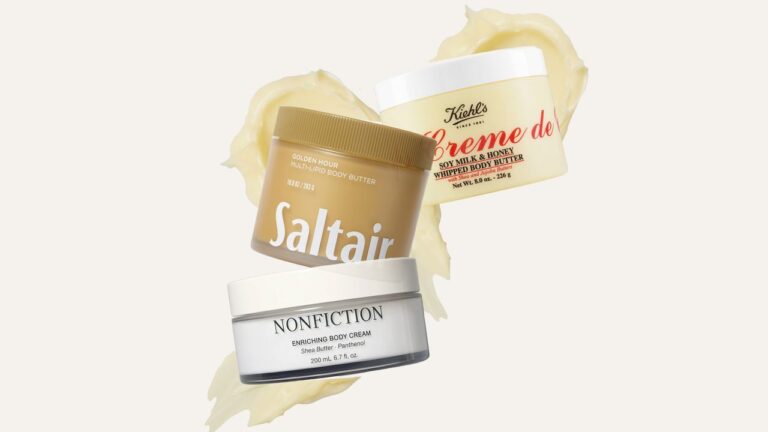
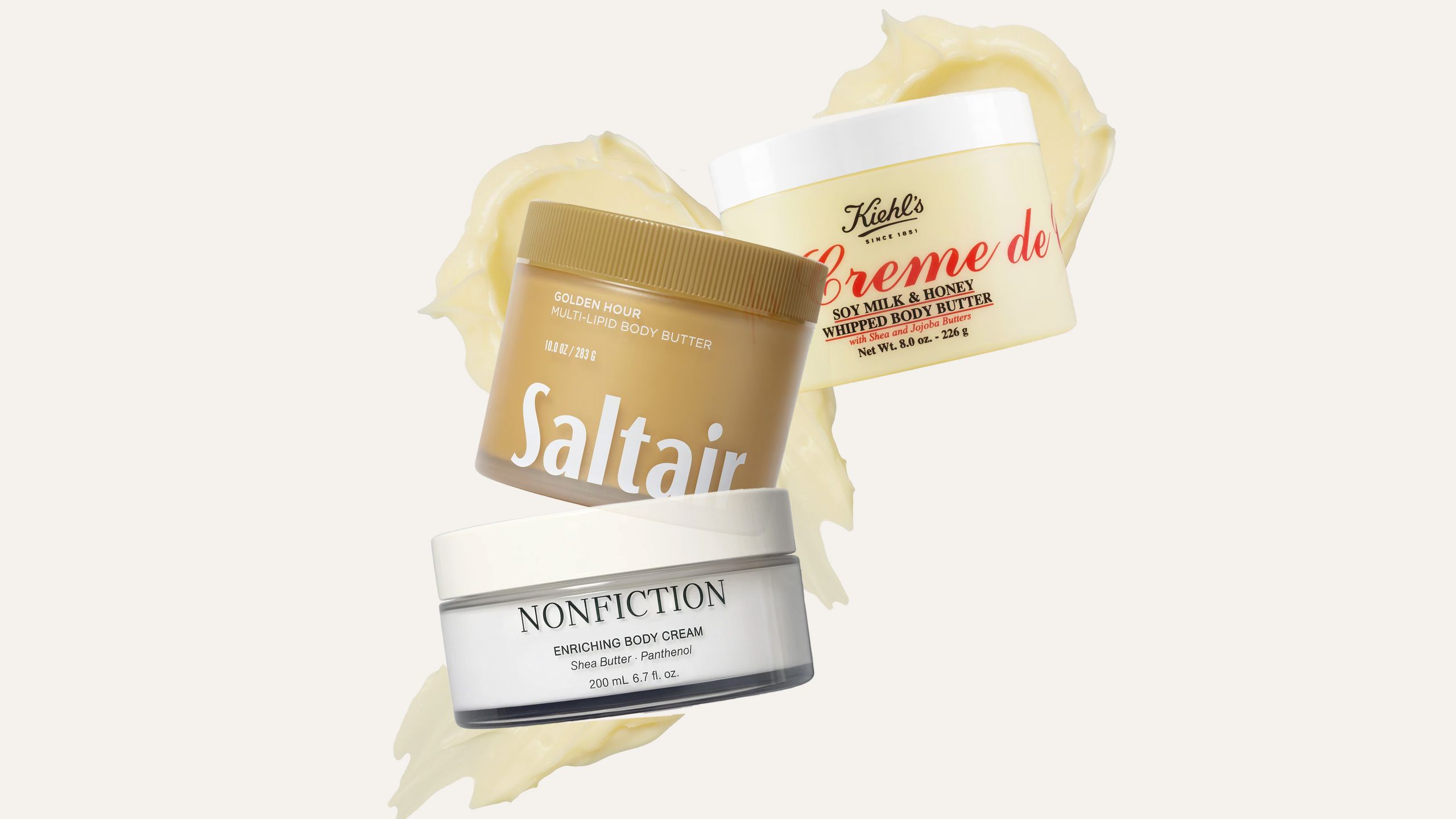
For a luxury option that won’t break the bank, Saltair’s Santal Bloom Multi-Lipid Body Butter earned a 2025 Allure Best of Beauty Award and costs under $25. This whipped formula contains skin-strengthening ceramides, moisture-replenishing phospholipids, and nourishing coconut and sea buckthorn oils. According to Dr. Shah, this combination of ingredients is particularly effective for skin barrier support and provides all-day hydration. The 10-ounce jar offers a generous size, and the velvety, never-greasy finish appeals to those who dislike heavy textures.
Nonfiction’s Enriched Body Cream functions as a body butter despite its labeling, thanks to shea butter as its second ingredient followed by an extensive list of plant-derived oils and butters. Niacinamide and panthenol add anti-inflammatory support, while squalane prevents water loss. The woody-citrus scent, featuring bergamot, vetiver, orange blossom, and patchouli, leans fresh rather than heavy.
EOS’s Cashmere Whipped Oil Butter combines shea, cocoa, and argan butters to create a sub-$20 option that melts into the skin rapidly without greasiness. A quarter-sized amount covers forearms, neck, and hands effectively. Glycerin, vitamin E, and coconut oil extend the hydrating effect for hours. The product comes in multiple scent options, including Vanilla Cashmere and the newer Fresh & Cozy release, though the formula is heavily scented.
Oak Essentials’ Dew Body Butter, designed by brand founder Jenni Kayne with mature skin in mind, features olive-derived stem cells and algae extract to encourage collagen production and improve crepiness. Despite its pillowy texture that looks like butter straight from the jar, it absorbs shockingly fast—a quality particularly appreciated by those who dislike occlusive layers on their skin. The brand also offers a Dew Body Oil to blend in for extra glow if desired.
Naturium’s The Glow Getter Multi-Oil Body Butter quenches thirsty skin with shea butter, squalane, and multiple plant-derived oils rich in essential fatty acids. According to Dr. Shah, the addition of plant-based peptides creates a firming effect while supporting the skin barrier, resulting in a dewy, healthy-looking glow without heaviness.
L’Occitane’s Ultra Rich Body Cream uses a 25 percent concentration of pure shea butter, compared to 20 percent in their hand cream, to deeply nourish while maintaining a smooth, never-greasy finish. Rich in antioxidants including vitamins A, E, and F, shea butter protects the skin from environmental stressors like UV rays, one of the leading causes of accelerated aging. This formulation serves as an ideal introduction to body butters for those new to the category.
For overnight use, Kiehl’s Creme de Corps Whipped Body Butter combines plant oils and butters with lightweight moisturizers like glycerin and squalane. The gentle milk and honey scent lasts without feeling overpowering. Dr. Luftman recommends it for its airy-yet-rich formula that absorbs quickly without greasiness, though those with oilier skin should use it sparingly to avoid potential pore clogging.
How to Apply for Maximum Effectiveness
Timing matters significantly when using body butters. Dr. Russak recommends applying them immediately after showering, when your skin is still damp. Pat your skin dry, but leave it slightly moist, then apply the body butter to rough, dry areas including feet, hands, ankles, and elbows. This technique locks in moisture from the shower, reduces transepidermal water loss, and actively repairs the skin barrier rather than simply preventing further damage.
Most body butters work best as nighttime treatments, allowing adequate time for absorption. Applying them before bed means they can work throughout the night without leaving residue on clothing or furniture, and their effects often extend well into the following day.
Special Benefits for Aging and Mature Skin
As we age, skin naturally produces less oil, becomes thinner, and loses its ability to retain moisture. This process typically results in dryness, roughness, and a crepey appearance. Dr. Luftman notes that while body butters cannot reverse aging, they effectively improve the appearance of dry, aging skin and can temporarily minimize the look of fine lines caused by dehydration. The combination of intensive moisturization and barrier protection makes body butters particularly valuable for anyone noticing these age-related changes.
Frequently Asked Questions
What's the difference between a body butter and body lotion?
Body butters are nearly waterless formulations built on an oil base with higher concentrations of occlusive ingredients like shea butter and squalane, making them more effective at preventing moisture loss and strengthening the skin barrier than standard lotions.
When should I apply body butter for the best results?
Apply body butter immediately after showering while your skin is still slightly damp, particularly on rough areas like feet, heels, elbows, and knees, as this locks in moisture from the shower and actively repairs the skin barrier.
Are body butters good for aging skin?
Yes, dermatologists recommend body butters for aging skin because while they cannot reverse aging, they effectively improve the appearance of dry, aging skin and can temporarily minimize fine lines caused by dehydration, and protect against environmental damage like UV rays.
