
Key takeaways
- Bronde works across different base colors and skin tones by using dimension to create a lived-in blonde-brunette blend that's lower maintenance than full highlights.
- Your colorist needs to know whether you want warm or cool tones, visible contrast or seamless blending, and your commitment level to salon maintenance every 6 to 12 weeks.
- Six distinct bronde styles range from highlight-heavy and cool-toned options to golden, ombré, deep, and high-contrast approaches, each suited to different starting points and preferences.
Understanding Bronde
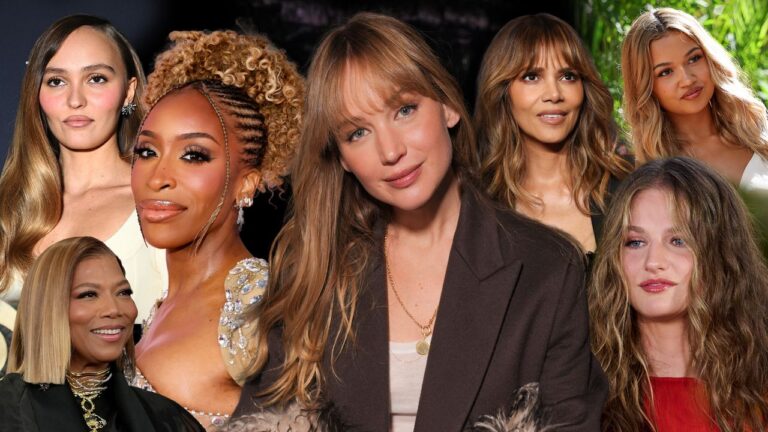
Bronde sits in the sweet spot between two hair colors, blending brown and blonde into something neither fully dark nor fully light. This dimensional approach appeals to people tired of their natural shade but hesitant to commit to full blonde, as well as those managing color growth from past highlights or attempting to shift darker.
Paige Van Ryswyk, a stylist and colorist at Scotch Bonnet Hair Studio in West Palm Beach, Florida, describes bronde as “a more naturally occurring shade of blonde—something that’s more lived-in and easy to maintain.” The multi-tonal variations of bronde—some warm, some cool—make it particularly useful for disguising regrowth. Nataly Maldonado, a colorist and hairstylist who owns Velvet Palm Studio in Lake Worth Beach, Florida, notes that “the rootiness of bronde is what makes it perfect for low-maintenance people, those who want to give highlighting a break for integrity purposes, or previously highlighted blondes who have been wanting to go darker but can’t commit to their base color.” Celebrities including Jennifer Lopez and Margot Robbie have used bronde strategically when shifting between lighter and darker colorways.
Planning Your Bronde in Consultation
Telling a colorist you want bronde requires specific discussion. According to Paige Van Ryswyk, every bronde looks different and depends on both your starting base color and the final look you’re pursuing.
Warm Versus Cool and Contrast Levels
Jess Gonzalez, a colorist at Flore salon in Los Angeles, breaks down the variables: “There’s no one way to go bronde. It can be cool and neutral or warm with caramel, honey, and golden tones.” Your stylist will want to know whether you prefer visible contrast between the brown and blonde sections or a more seamlessly blended appearance, and whether the overall effect should read lighter or darker.
Creating Intentional Dimension
Gonzalez emphasizes that the technical work hinges on “balance and dimension”: “You still want those lighter pieces to catch the light, but adding strategic depth creates richness and makes the blonde feel more intentional.” Lighter strands should serve a purpose—catching light and creating movement—while darker sections ground the color and prevent flatness.
Your Starting Point Shapes Possibility
Your natural or current hair color determines what’s achievable. Someone starting from a darker base benefits from a different approach than someone with existing blonde highlights. These foundational details shape which techniques your colorist will recommend before any chemicals are applied.
Salon Maintenance Schedule
The work of maintaining bronde happens both in and out of the salon. Meri Kate O’Connor, a colorist and hairstylist at Benjamin Salon in New York City and West Hollywood, recommends a specific routine: “I suggest touching up color with a gloss every six weeks or so, then lowlighting or highlighting every two to three months.” This schedule keeps the color looking fresh and dimension reading clearly without overdoing chemical services.
Home Care Products and Routine
At home, the typical purple-shampoo approach used for blonde hair alone doesn’t always translate directly to bronde. If your bronde has warm golden tones and begins to look brassy in the lighter sections, O’Connor recommends using a product like Pravana Perfect Blonde Shampoo, but with restraint—only every couple of weeks. “You don’t want to dull the warmth and dimension that makes bronde look so rich,” she explains.
For regular washing, colorists recommend color-safe products designed to hydrate. Biolage Professional Hair Spa Color Last Shampoo and Conditioner represent the type of option professionals suggest, handling both cleansing and nourishment without stripping tone. Using the right products between salon visits protects your investment in the color and keeps dimension readable.
Six Bronde Styles
Highlight-Heavy Bronde
When you want noticeable brightness while keeping brunette depth, highlights are the starting point. Gonzalez says the key detail is “keeping pockets of darkness between the highlights” to make the blonde sections pop visually. This approach also works in reverse: someone with extensive existing blonde highlights can add lowlights and apply toner to dial down the brightness and add richness without going full brunette.
Cool-Toned Bronde
This style mimics how naturally blonde hair often darkens over time, maintaining dimension without warmth. Gonzalez describes the effect as having “that brunette-to-blonde dimension without feeling overly warm,” with beige, neutral, and slightly ashy tones dominating. O’Connor builds this by starting with an ashy brown base, adding highlights, and then toning those highlights to cooler shades rather than golden ones, creating a naturally evolved appearance.
Golden Bronde
The warmth in golden bronde creates a lived-in quality that works well for certain complexions. According to O’Connor, “Tate McRae is a great example of this color. This is really pretty for people with golden undertones to their skin.” How bright you want the effect determines whether the honey notes stay deeper or become sunnier—a choice made with your colorist based on what complements your complexion.
Ombré Bronde
The modern ombré bronde keeps depth at the roots and gradually increases brightness toward the ends. Unlike the harsh ombré lines of the late 2000s, today’s version blends in a diffused way. Gonzalez says, “I love keeping depth at the root and gradually getting brighter toward the ends,” noting that the blend must be “super diffused so there’s never a harsh line.” What O’Connor calls “a more lived-in look” has “an easier grow-out, so it’s less maintenance,” while still layering “the brightness of the blonde mixed in with your natural brown.”
Deep Bronde
Brunettes wanting dimension without reading as openly blonde turn to deep bronde. Gonzalez describes keeping “the overall color stays rich and deep with subtle caramel or beige ribbons for movement.” Your skin tone influences the direction—O’Connor mentions either a “mushroom-y tone” or a “teddy bear bronze,” which skews more earthy and gold-neutral, depending on your undertones.
High-Contrast Bronde
For those who want boldness without sacrificing naturalness, high-contrast bronde pairs a deeper, cooler brunette base with brighter blonde ribbons, particularly around the face. Van Ryswyk calls it “a great option for those with a darker base who still want the bronde effect with less maintenance.” O’Connor achieves this using balayage pieces instead of traditional foil highlights, which “would create a beautiful contrast with bolder bronze dimension for a fashion-forward, trendy look.”
Choosing Your Bronde
The six approaches above represent the spectrum, but your actual bronde will be unique to your starting point, skin tone, and maintenance preferences. The conversation with your stylist is where planning happens. They account for your base color, desired brightness level, preferred warmth or coolness, and how much salon maintenance you’re willing to commit to. From there, the technical work—whether through balayage, foil highlights, lowlights, or toning—transforms your hair into a dimensional, versatile color that reads naturally occurring rather than heavily processed.
Source: Allure
Frequently Asked Questions
How often do you need to maintain bronde at the salon?
According to Meri Kate O'Connor, a colorist at Benjamin Salon in New York City and West Hollywood, you should touch up color with a gloss every six weeks or so, then do lowlighting or highlighting every two to three months.
What shampoo should you use on bronde hair?
For regular washing, colorists recommend color-safe products like Biolage Professional Hair Spa Color Last Shampoo and Conditioner. If your bronde has warm golden tones and looks brassy, you can use Pravana Perfect Blonde Shampoo, but only every couple of weeks to avoid dulling the warmth and dimension.
Is bronde good for covering gray hair?
Yes. According to the colorists featured, the multi-tonal variations of bronde make it effective for disguising regrowth and gray hair, which is one reason it appeals to people who prefer low-maintenance color options.
