
Key takeaways
- Dark underarms typically result from friction, shaving, or deodorant sensitivity and respond to over-the-counter brighteners containing niacinamide, azelaic acid, and mandelic acid.
- Results take 8–12 weeks of consistent daily use; starting every other day helps sensitive skin adapt before increasing to daily application.
- AmLactin Daily Nourish Body Lotion and Topicals Faded Brightening & Clearing Serum lead dermatologist recommendations for their multi-ingredient formulas that fade discoloration while minimizing irritation.
- Maintenance is ongoing: if you stop brightening products, discoloration typically returns unless you address underlying causes like shaving less frequently or using protective undergarments.
Dark underarms can make people hesitant to wear sleeveless clothing or show skin, but the condition is both common and treatable with the right approach. Underarm skin is thinner and more delicate than elsewhere on the body, which means both the causes of discoloration and the solutions require careful attention.
What Causes Dark Underarms
Friction From Movement and Clothing
The most frequent culprit behind underarm darkening is skin friction, according to board-certified dermatologist Mina Amin, MD, based in Los Angeles. Constant friction between skin or caused by tight clothing triggers hyperpigmentation as an inflammatory response. This condition, known as post-inflammatory hyperpigmentation (PIH), occurs when the skin produces excess melanin while healing from irritation. The cycle becomes self-perpetuating: friction causes inflammation, inflammation drives melanin production, and the resulting darkness creates visual evidence of the problem.
Shaving, Hair Removal, and Deodorant Sensitivities
Shaving remains one of the most common sources of underarm irritation. The razor’s action inflames skin, which then responds by increasing melanin production as it heals, leading to hyperpigmentation. Ingrown hairs add another layer of inflammation and potential scarring. Beyond hair removal, deodorants and antiperspirants themselves can cause problems. A reaction to these products can trigger contact dermatitis, which manifests as discoloration. Product buildup from repeated applications compounds this effect.
Underlying Medical Conditions
Acanthosis nigricans represents a more serious cause worth ruling out with a dermatologist. This condition darkens and thickens underarm skin (and often neck and groin skin) and is frequently linked to insulin resistance, obesity, or type 2 diabetes. According to Dr. Amin, high insulin levels drive skin cells to reproduce more rapidly, creating the characteristic dark, thickened plaques. Anyone experiencing unusual thickening alongside darkening should seek professional evaluation.
How Brightening Formulas Work
Dermatologists recommend a multi-pronged approach combining ingredients that interrupt melanin production, reduce inflammation, and remove dead skin cells. Niacinamide acts as both a pigment inhibitor and anti-inflammatory, which addresses discoloration while soothing redness from shaving. Vitamin C and alpha arbutin brighten overall tone. Tranexamic acid, azelaic acid, and kojic acid specifically target existing pigmentation and reduce further transfer. Mild chemical exfoliants—lactic acid, glycolic acid, and mandelic acid—remove dead, pigmented cells that accumulate on the surface.
“Because the underarm skin is delicate, the best products use ingredients that brighten gradually while minimizing irritation,” explains Debra Luftman, MD, a board-certified dermatologist in Los Angeles. The key is choosing formulas designed for sensitivity rather than maximum strength.
Six Dermatologist-Endorsed Products
Multi-Active Serums
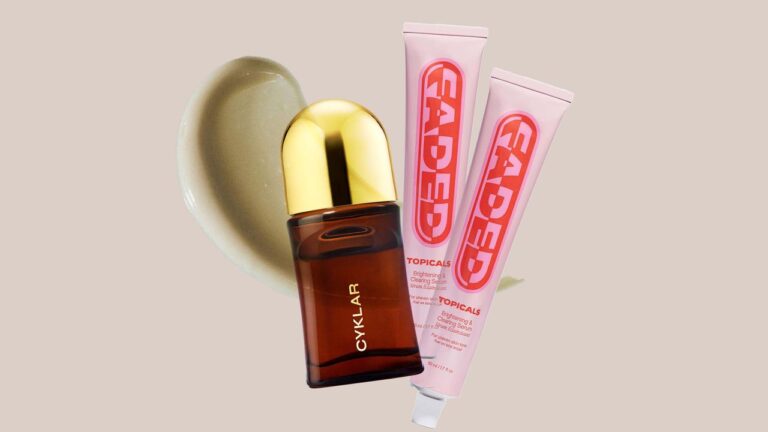
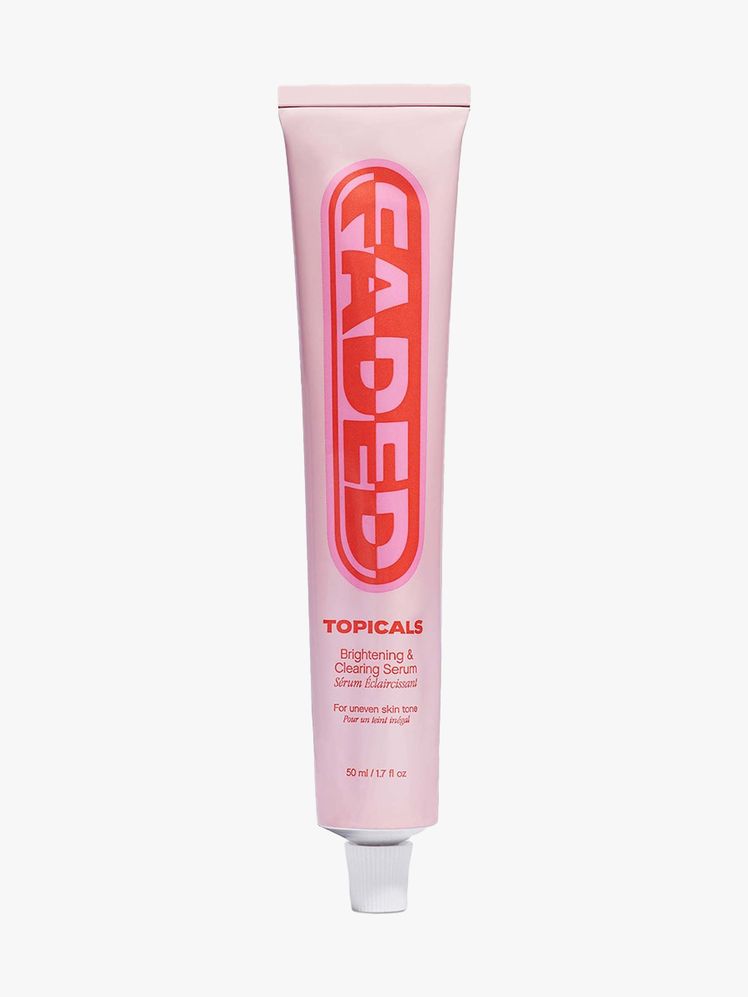
Topicals Faded Brightening & Clearing Serum combines five active ingredients: tranexamic acid, niacinamide, kojic acid, alpha arbutin, and azelaic acid. According to board-certified dermatologist Sarah Sung, MD, in Seattle, this combination visibly fades excess pigmentation while calming inflammation—even on deeper skin tones—without irritating sensitive underarm skin. The serum’s creamy gel texture applies cleanly morning or night without stickiness, and patients report fewer ingrown-related bumps from waxing or shaving within weeks of use.
Paula’s Choice 5% Niacinamide Body Serum offers a simpler formula centered on niacinamide at a 5% concentration—potent enough to even out skin tone yet gentle enough for all skin tones, per Dr. Sung. The brand adds panthenol and prickly pear extract to boost hydration and strengthen the skin barrier, which prevents friction-related irritation that can worsen discoloration. For those concerned specifically about inflammation, Paula’s Choice also makes a 10% Azelaic Acid Booster.
Budget-Friendly and Specialized Options
The Ordinary Azelaic Acid Suspension 10% delivers prescription-grade results at under $15. Its headline ingredient targets irritation and post-inflammatory hyperpigmentation while gently exfoliating to improve texture and brightness. The creamy (but not greasy) formula hydrates without heaviness and is gentle enough to earn approval from the National Rosacea Society, which only endorses products tolerable to the most reactive skin.
Cyklar’s Mandelic Acid Deodorant merges brightening with odor control. It uses mandelic acid to gently exfoliate while licorice root extract lightens skin and reduces inflammation. The formula contains hydrating panthenol and zinc PCA, protecting against dry patches or cracked skin. The deodorant lasts up to 48 hours by lowering skin’s pH to a level where odor-causing bacteria cannot survive, all while packaging offers scents like bergamot, neroli, santal, and vanilla.
Prescription-Strength and Award-Winning Choices
For stubborn pigmentation, Musely’s Private Cream delivers prescription-strength treatment at home. It may contain up to 12% hydroquinone (a melanin inhibitor) and 0.05% tretinoin (which accelerates cell turnover), with exact concentrations determined by a dermatologist after review of your medical history. Both ingredients are typically available only by prescription due to their potency. However, hydroquinone requires caution: it can irritate sensitive or dry skin and, according to board-certified dermatologist Mamina Turegano in Louisiana, may cause exogenous ochronosis—paradoxical darkening of the skin—particularly in those with darker skin tones. Working directly with a prescribing dermatologist ensures safe use.
AmLactin Daily Nourish Body Lotion won the 2024 Allure Best of Beauty Award and remains a dermatologist favorite for dark underarms. Board-certified dermatologist Nazanin Saedi, MD, at Plymouth Meeting Dermatology in Pennsylvania calls it her go-to recommendation. The formula contains 12% lactic acid, which removes dead, darker skin cells and fades hyperpigmentation, balanced with glycerin to prevent irritation. Dr. Saedi recommends applying it nightly to damp skin right after showering, before deodorant, and notes that “patience and consistency are important”—results typically emerge within a couple of months.
Realistic Timeline and Consistency
All dermatologists emphasize the same timeline: expect improvements after 8 to 12 weeks of daily use. Nothing substitutes for consistency. If your skin is sensitive, begin with every-other-day application and increase to daily use once skin adapts. The lightweight, hydrating formulas recommended here integrate seamlessly into existing body-care routines without stinging or pilling under deodorant.
Maintaining Your Results Long-Term
Improvement is achievable but rarely permanent without ongoing treatment. The underlying causes—friction, shaving, deodorant sensitivity—persist unless you change your habits. Making adjustments like using anti-chafe products, shaving less frequently, or switching to laser hair removal can reduce rebound darkening. According to Dr. Luftman, “If the underlying cause continues, pigmentation often returns over time.” Most people need to continue brightening products indefinitely to sustain their results.
Professional Treatments
If over-the-counter products deliver insufficient results, in-office options exist. These include prescription-strength topicals (hydroquinone or retinoids), chemical peels, laser sessions, or pulse light treatments. Professional evaluation matters because it identifies whether an underlying condition like acanthosis nigricans is driving the discoloration. As Dr. Luftman explains, “Because the underarm skin is thin and sensitive, professional evaluation helps minimize the risk of irritation or worsening pigmentation.” Your dermatologist can then match the treatment to the specific cause.
Frequently Asked Questions
How long does it take to see results from underarm brightening products?
You should see improvements after 8 to 12 weeks of daily use, with most people experiencing results within a couple of months. AmLactin Daily Nourish Body Lotion typically takes around 2 months for visible fading, though consistency is essential.
What ingredient should I look for if I want a simple, single-ingredient formula?
Azelaic acid is an excellent choice for a focused approach. The Ordinary's Azelaic Acid Suspension 10%, available for under $15, targets irritation and post-inflammatory hyperpigmentation while gently exfoliating to improve skin texture.
Will my dark underarms stay bright permanently once I achieve results?
No. Improvement is achievable but rarely permanent without ongoing treatment. According to Dr. Luftman, if the underlying cause—such as friction or shaving—continues, pigmentation often returns over time, which is why most people need to continue using brightening products indefinitely to sustain results.
