
Key takeaways
- Tretinoin and azelaic acid complement each other: tretinoin increases cell turnover while azelaic acid targets bacteria and inflammation, addressing skin concerns neither can solve alone.
- The combination is safe to layer morning and night because the ingredients have different side effects and don't chemically react with each other.
- If you have sensitive skin, start with azelaic acid before adding tretinoin, gradually increasing frequency over weeks before combining both.
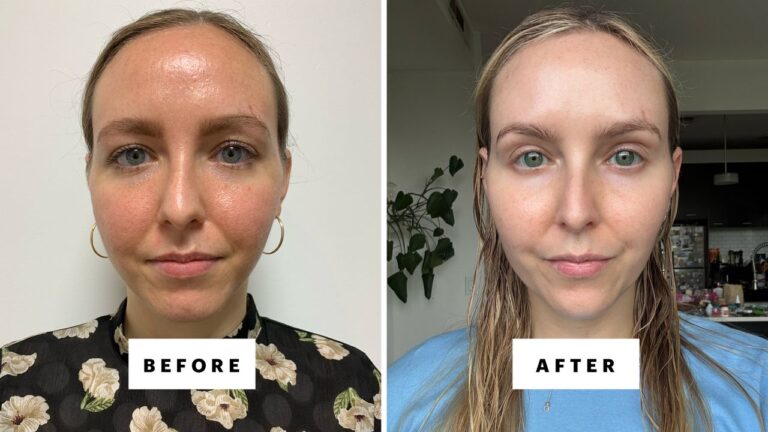
The pairing of tretinoin and azelaic acid has exploded on TikTok, but dermatologists have been prescribing these two ingredients together for decades. Each ingredient tackles different parts of the acne and aging process: tretinoin increases cell turnover while azelaic acid kills bacteria and reduces inflammation, addressing skin concerns that neither can solve alone.
Tretinoin: The Gold Standard Retinoid
Tretinoin is a synthetic derivative of vitamin A and the only retinoid approved by the FDA for treating signs of aging. Available by prescription only, it works by binding to retinoic acid in the skin, boosting cell turnover and stimulating collagen production. According to board-certified dermatologist Connie Yang, MD, FAAD, from New York City, “Tretinoin is considered the gold standard topical treatment for acne and one of the most well-studied ingredients for improving signs of photoaging, including fine lines, uneven pigmentation, and skin texture.”
How It Works at Different Life Stages
The ingredient serves different purposes depending on age. Because tretinoin decreases oil production in the sebaceous glands, it’s prescribed to teenagers and younger adults for acne treatment. Later in life, the same mechanism that reduces breakouts also improves wrinkles, fine lines, and discoloration by accelerating how quickly skin cells replace themselves. As Julie Russak, MD, founder of Russak Dermatology Clinic in New York City, explains, “It helps our cells replenish the surface of the skin with newer, healthier cells.”
Understanding Tretinoin Irritation
Tretinoin’s irritation often gets blamed on the formula being too strong, but that’s inaccurate. According to Dr. Yang, “The irritation isn’t because tretinoin is damaging the skin, it’s because it’s asking your skin to work faster than it’s used to.” The ingredient increases the rate at which skin cells turn over, which is precisely what makes it effective, but this acceleration can temporarily disrupt the skin barrier. Within several weeks as the skin adapts, irritation typically improves while benefits continue building.
Azelaic Acid: The Multi-Tasking Ingredient
Azelaic acid is a naturally occurring dicarboxylic acid available in both over-the-counter and prescription strengths. Over-the-counter versions typically contain 10% or lower, while prescription formulas come in 15% and 20% concentrations. Dr. Yang describes it as “a multitasking ingredient that helps treat acne, reduce inflammation, fade post-inflammatory hyperpigmentation, and improve redness, all while targeting acne-causing bacteria.”
How Azelaic Acid Tackles Acne and Inflammation
The ingredient operates through multiple mechanisms simultaneously. It reduces inflammation by targeting several inflammatory pathways in the skin and fades pigmentation by inhibiting tyrosinase, the enzyme responsible for melanin production. Dr. Russak breaks down the inflammatory process: “Inflammation in acne isn’t one single event—it’s a chain of signals, one step triggering the next.” Azelaic acid interrupts this chain at multiple points by neutralizing unstable oxygen molecules that initiate inflammation and reducing the signaling proteins cells use to communicate inflammatory messages to each other. It also reduces the activity of NF-kB, the main cellular trigger for inflammation and redness.
For those prone to breakouts, azelaic acid targets cutibacterium acnes, the bacterium associated with acne. It interferes with how cells inside the pore stick together—which is the actual mechanism behind clog formation—so it works on inflamed, angry breakouts as well as blackheads and whiteheads. Additionally, azelaic acid reduces keratin buildup in the skin’s outermost layer, helping dead skin cells shed more easily.
Beyond Acne: Rosacea and Pregnancy Safety
Beyond acne, azelaic acid serves as a go-to treatment for rosacea because of its anti-inflammatory properties. Dr. Russak explains that “for rosacea-prone skin it inhibits kallikrein-5 and the cathelicidin gene, which lowers LL-37, a peptide involved in both inflammation and the vascular reactivity behind visible redness.” By targeting this pathway, azelaic acid can lessen flushing and redness associated with rosacea.
What sets this ingredient apart is its gentle nature. Unlike many acne-fighting ingredients, azelaic acid is generally well-tolerated, making it suitable for people with sensitive skin. Notably, it’s one of the few topical skin-care ingredients widely considered safe during pregnancy, according to Beverly Hills-based dermatologist Jessica Wu, MD. Dermatologists advise against using tretinoin during pregnancy because of the potential risk of birth defects.
Why Dermatologists Combine Them
While trendy on social media, the pairing is hardly new to dermatology. According to Dr. Yang, “While it’s a new trend on social media, dermatologists have been prescribing these medications together for decades.” The reason is straightforward: the two ingredients complement each other in ways that neither can achieve alone.
For acne treatment, tretinoin speeds up skin-cell turnover but doesn’t kill acne-causing bacteria—a gap that azelaic acid fills. Conversely, azelaic acid isn’t known to stimulate collagen production, whereas tretinoin does. For concerns like hyperpigmentation, melasma, and sun damage, the pairing is equally beneficial. Board-certified dermatologist Mona Gohara, MD, from Hamden, Connecticut, explains the division of labor: “Tretinoin helps normalize and speed skin-cell turnover, so pigment-containing cells are shed more efficiently over time. It can also help other topical treatments work more effectively. Azelaic acid more directly targets abnormal pigment production by inhibiting tyrosinase, an enzyme involved in making melanin.”
Dr. Gohara offers a useful analogy: “Azelaic acid helps turn down the faucet of excess pigment production, while tretinoin helps move the pigment that is already there up and out more efficiently.” Because the ingredients address discoloration at different points in the process, they work exceptionally well together. An added benefit: azelaic acid’s anti-inflammatory properties help minimize some of the irritation associated with tretinoin.
According to cosmetic chemist Krupa Koestline, “They don’t share a reactive functional group that would cause degradation or an adverse reaction between them, the way, say, benzoyl peroxide oxidizes tretinoin.” In other words, the ingredients remain stable when used together and don’t chemically break each other down. Both are individually endorsed in the 2024 American Academy of Dermatology guidelines, and the Delphi consensus among board-certified dermatologists recommends a topical retinoid as first-line therapy with azelaic acid added as an adjunct for patients dealing with acne-associated hyperpigmentation.
Creating Your Layering Routine
The two ingredients tend to have different side effects, which makes them particularly safe to use together. With tretinoin, irritation manifests as scaling and redness, while azelaic acid typically produces a brief tingling or burning sensation right after application that’s usually gone within a few minutes.
Once your skin has adjusted to both ingredients, Dr. Wu recommends using azelaic acid in the morning and tretinoin at night to help minimize irritation. You can also layer the two ingredients if your skin can tolerate it. Because tretinoin can increase sun sensitivity, it should only be used in the evening and always pair it with SPF 30 or above in the morning. If you apply both in the same nighttime routine, start with the thinner formula. “If you have azelaic acid gel, that should go on before tretinoin cream,” says Dr. Yang.
What to Avoid With Tretinoin
You generally don’t want to pair tretinoin with other exfoliating acids like glycolic acid, mandelic acid (both alpha hydroxy acids, or AHAs), or salicylic acid (a beta-hydroxy acid, or BHA), according to cosmetic chemist Ginger King. Azelaic acid is the exception, as King doesn’t consider it an exfoliating acid.
The issue is that combining tretinoin with other exfoliating acids means stacking actives that can all disrupt the skin barrier. Using AHAs like glycolic and lactic acid alongside tretinoin “can increase dryness, peeling, redness, and irritation,” says Dr. Gohara. “You want tretinoin to work effectively without unnecessarily irritating the skin.” If you want to use both, dermatologists recommend applying them on alternate nights. BHAs like salicylic acid can complement tretinoin for acne-prone skin, but using both at the same time may increase irritation without improving results. Again, dermatologists recommend using them on different days or different times of the day.
Getting Started: A Sensitive Skin Approach
Those with sensitive skin should proceed with caution when using the two ingredients together, as the combination may be too much for their skin to tolerate initially. If you’re using either ingredient for the first time, Dr. Wu recommends starting with azelaic acid before introducing tretinoin if you have sensitive skin, since it’s generally much gentler. Some people require up to a month for their skin to adjust to azelaic acid. While many can tolerate using it daily from the start, those with sensitive skin should begin every other day, then increase to daily use after a week if they don’t experience irritation.
Alternatively, if your goal is to address comedones or clogged pores, Dr. Wu recommends starting with tretinoin first. She suggests applying it on Monday and Friday nights initially; if you’re not experiencing irritation, add a third night, such as Wednesday, before gradually working up to nightly use. Once you’re on a stable routine of tretinoin with no irritation after two weeks, you can add azelaic acid. If you can’t go past three nights a week with tretinoin, you can alternate azelaic acid in between. If you’re already using tretinoin nightly, then add azelaic acid during the day.
When it comes to azelaic acid and tretinoin, “too much of a good thing isn’t always a good thing,” according to Dr. Russak. Make sure the skin barrier isn’t compromised before layering both, because if it is, the combination will be too irritating. For over-the-counter options, dermatologists recommend azelaic acid from Anua and La Roche Posay, and retinol from Skinbetter and Skinceuticals.
Frequently Asked Questions
Can you use tretinoin and azelaic acid together?
Yes, dermatologists have prescribed them together for decades because they complement each other. Tretinoin increases cell turnover and stimulates collagen, while azelaic acid kills acne bacteria and reduces inflammation, addressing skin concerns neither can solve alone. The ingredients don't chemically react with each other and have different side effects, making them safe to use together.
What's the best way to apply tretinoin and azelaic acid?
Once your skin has adjusted to both ingredients, apply azelaic acid in the morning and tretinoin at night. If layering both in the evening, apply the thinner formula first—so azelaic acid gel before tretinoin cream. Always use SPF 30 or above during the day because tretinoin increases sun sensitivity.
How do I start using these ingredients if I have sensitive skin?
Begin with azelaic acid every other day for about a week, then increase to daily use if you don't experience irritation (some people need up to a month to adjust). After your skin has acclimated, introduce tretinoin on Monday and Friday nights. If you're not experiencing irritation after two weeks, you can add it to Wednesday as well, gradually working up to nightly use.
