
Key takeaways
- Melasma responds best to a multi-front approach targeting melanin suppression, inflammation reduction, and UV protection simultaneously.
- Over-the-counter products with tranexamic acid, kojic acid, and azelaic acid deliver clinically proven results without a prescription.
- Sunscreen with SPF 30 or higher is non-negotiable; UV exposure deepens patches and blocks results from treatment products.
- Professional treatments like microneedling with PRP accelerate results when combined with targeted topical products.
Melasma manifests as lacy, reticulated brown patches across the face—typically on the cheeks, upper lip, and forehead—and stands as one of the most persistent forms of hyperpigmentation. While medically harmless, many seek to lighten these spots for cosmetic reasons. According to Corey L. Hartman, MD, a board-certified dermatologist in Birmingham, Alabama, the condition emerges from heat, sun, hormonal shifts (particularly during pregnancy), and inflammation. Even activities like outdoor running or hot yoga can trigger flare-ups, notes Sarah Sung, MD, a board-certified dermatologist in Seattle. Without treatment, melasma remains, potentially deepening and spreading with continued sun exposure or heat.
Why One Product Cannot Solve Melasma
The stubborn nature of melasma demands a layered approach rather than a single solution. Corey L. Hartman, MD, explains that the condition involves multiple biological pathways: excess melanin production, inflammation, and accumulation of pigment. Dermatologists addressing melasma tackle it on four distinct fronts: suppressing melanocytes, exfoliating pigmented skin, reducing inflammation, and blocking UV and heat triggers. This multifaceted strategy accelerates results compared to using any single active ingredient.
How Each Active Ingredient Works
Tranexamic acid blocks the signal between melanocytes (pigment-producing cells) and keratinocytes, preventing those cells from being triggered to overproduce after sun exposure or inflammation. Kojic acid directly targets brown patches by inhibiting melanin production. Niacinamide smooths skin tone while calming inflammation. Azelaic acid addresses excess pigment while remaining anti-inflammatory, making it especially useful for those with redness, acne, or easily irritated skin. Each active solves a different piece of the puzzle, which is why combining ingredients—whether in a single product or across a routine—yields faster, more sustained results.
Why Sunscreen Ranks Equally with Treatment Products
Sunscreen functions as a non-negotiable foundation rather than a treatment. UV exposure deepens existing patches and makes them harder to fade, even when using potent brightening actives. Dermatologists recommend SPF 30 or higher as a daily minimum, applied year-round. Without it, new melasma patches form while existing ones resist fading efforts, undermining any topical routine.
Prescription-Strength and Customized Options
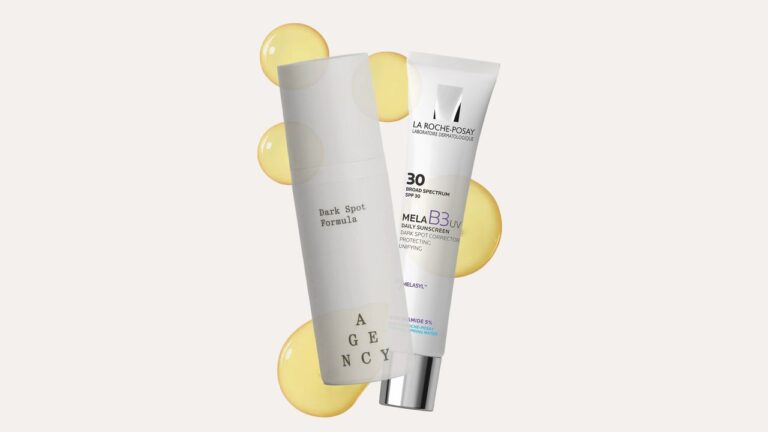
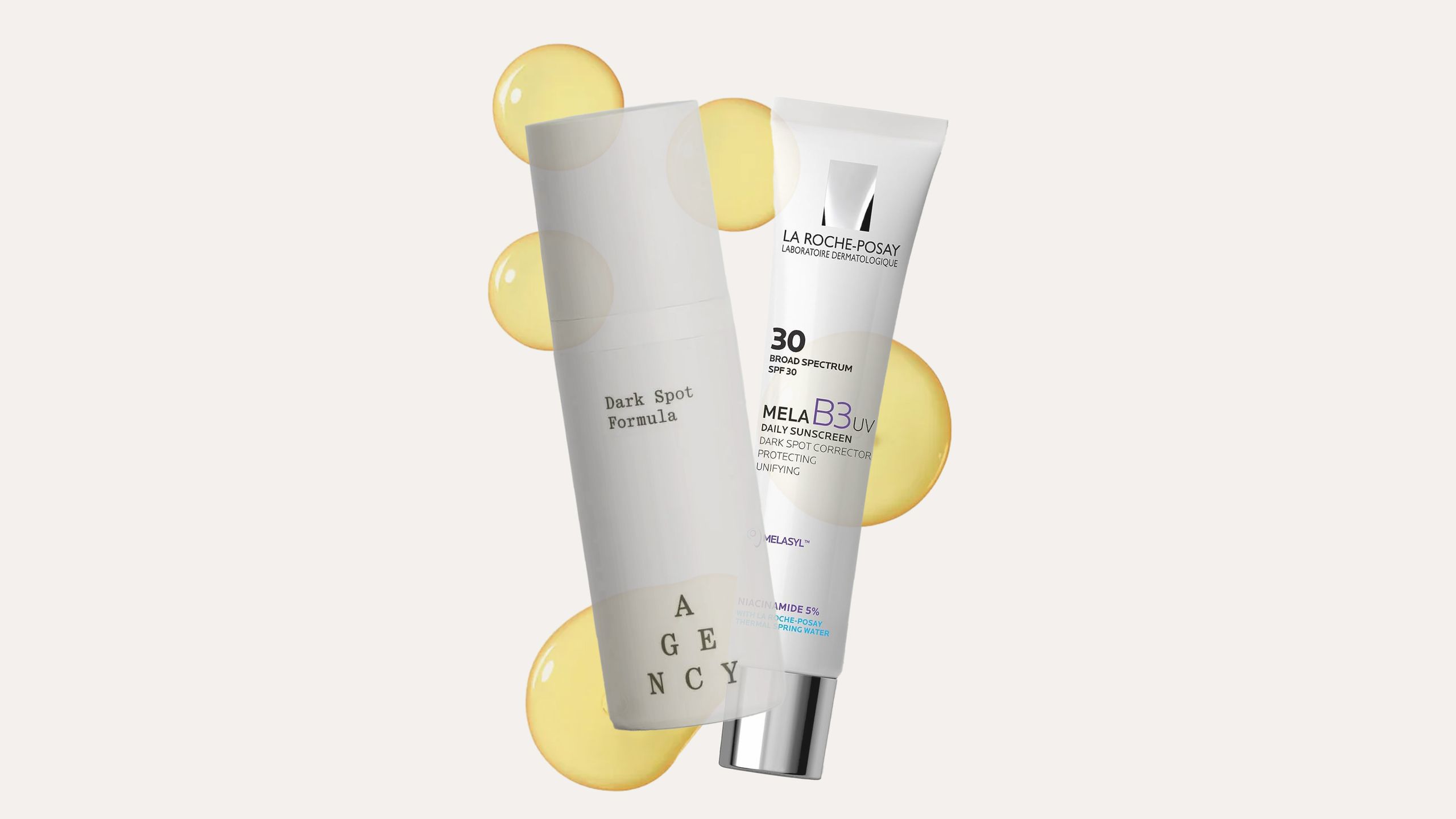
Agency by Curology’s Dark Spot Formula represents a hybrid approach: prescription-strength personalization delivered at home. After completing a skin quiz and submitting selfies, patients are matched with a licensed provider who prescribes a custom blend tailored to their skin. The formula typically includes azelaic acid, kojic acid, hydrocortisone, and hydroquinone—a melanin-suppressing ingredient known for visibly fading discoloration over time. The brand ships fresh supplies every two months and manages hydroquinone cycles to prevent overuse, alternating on and off automatically to avoid dependency concerns.
Over-the-Counter Serums Dermatologists Trust
Lightweight Formulas for Daily Use
SkinCeuticals Discoloration Defense stands out as consistently recommended by dermatologists, including those who use it daily. This lightweight serum contains 3% tranexamic acid, 1% kojic acid, 5% niacinamide, and 5% HEPES for gentle exfoliation and gradual brightening. Asmi Berry, DO, a board-certified dermatologist in Los Angeles, calls it a favorite non-hydroquinone option that performs well for sensitive skin types. SkinMedica Even & Correct Brightening Treatment Pads simplify application: each pad delivers 10% glycolic acid for exfoliation, tranexamic acid for dark spots, and niacinamide for tone evening. Witch hazel (alcohol-free) tones down redness and blotchiness, leaving skin refreshed. Saami Khalifian, MD, based in San Diego, uses them in his personal morning routine and considers them gentle enough for daily use.
Options for Sensitive Skin and Hormonal Triggers
The Ordinary’s Azelaic Acid Suspension 10% serves those unable to tolerate aggressive brighteners like retinoids. Mamina Turegano, MD, a board-certified dermatologist in New Orleans, calls azelaic acid her go-to for melasma patients with sensitivity concerns. The 10% concentration matches common over-the-counter strength (prescription versions reach 20%) and delivers noticeable results. Its cream-like, silicone base feels silky, while vitamin E provides antioxidant protection. The fragrance-free formula suits reactive skin. Eucerin Radiant Tone Dual Serum uses Thiamidol, a tyrosinase inhibitor that reduces excess melanin production. Unlike hydroquinone, Thiamidol works long-term without risk of overuse, according to Jocelyn Gandelman, MD, based in New York City. Sodium ascorbyl phosphate (a vitamin C derivative) adds brightening and antioxidant benefits, while licorice root extract supports an even complexion.
Combination Sunscreen and Treatment Products
La Roche-Posay Mela B3 UV Face Sunscreen SPF 30 merges prevention and correction: niacinamide paired with proprietary Melasyl prevent melanin-related compounds from forming dark spots rather than merely inhibiting production. Unlike traditional brighteners, this approach preserves natural pigment while reducing hyperpigmentation. Glycerin and shea butter hydrate while working against discoloration, making it practical for daily SPF application. Obagi Nu-Derm Clear Fx appeals to those seeking results close to prescription strength without a prescription. The cream uses arbutin, a naturally derived ingredient gentler than hydroquinone, which blocks the enzyme encouraging melanin production. Dr. Sung recommends it for nighttime use, especially paired with a prescription retinoid.
Advanced Formulas and Faster Results
Alastin Skincare A-Luminate Face Serum combines the brand’s proprietary PATH-3 Technology to reduce surface pigmentation recurrence, plus tranexamic acid. Saami Khalifian, MD, notes it’s quickly becoming a patient favorite—it applies smoothly without the irritation sometimes seen with aggressive formulas and is packed with antioxidants and niacinamide. Murad Rapid Dark Spot Correcting Serum prioritizes speed through an aggressive-yet-sensitive formula. Resorcinol, tranexamic acid, and glycolic acid work together to exfoliate, accelerate cell turnover, and brighten significantly. Dr. Sung calls it one of the stronger over-the-counter options that remains compatible with sensitive skin, delivering visible results in two weeks.
Combining Topicals with Professional Treatments
Topical products work best when layered with professional procedures. Microneedling, especially when paired with platelet-rich plasma (PRP—using the patient’s own blood to boost healing and calm inflammation), produces excellent results, according to Dr. Sung. Chemical peels can be effective but require careful selection to avoid rebound pigmentation; she typically introduces them later in treatment once the skin barrier is strong and daily SPF is a habit. Thoughtful layering of microneedling, a topical lightening agent, and antioxidant-rich aftercare accelerates and sustains results. Oral tranexamic acid delivered as a pill offers another avenue for many patients. However, many laser and light devices—including red light therapy masks—can worsen melasma and should be avoided unless specifically vetted by a dermatologist.
Managing Melasma as a Long-Term Condition
Melasma rarely resolves without treatment and typically worsens without intervention. At best, it may fade seasonally; at worst, it deepens and spreads with sun, heat, or hormonal triggers. Early intervention and consistent maintenance prove key. While complete eradication is unlikely, melasma can go into remission with diligent maintenance and symptom management, according to Dr. Khalifian. Once visible pigment fades, the focus shifts to control rather than cure—antioxidants, light peels, and occasional laser touch-ups, approached similarly to managing acne or rosacea. This perspective reframes melasma as a manageable condition rather than a permanent defect, requiring ongoing attention rather than a one-time fix.
Frequently Asked Questions
What causes melasma?
Melasma develops from heat, sun exposure, hormonal changes (particularly during pregnancy), and inflammation. Even activities like outdoor running or hot yoga can trigger flare-ups.
Can melasma go away permanently?
No, melasma rarely goes away completely on its own. However, it can go into remission with diligent maintenance using topical treatments, antioxidants, light peels, and consistent sunscreen use SPF 30 or higher.
Which ingredient is best for melasma?
No single ingredient solves melasma; dermatologists recommend a combination approach. Tranexamic acid, kojic acid, azelaic acid, and niacinamide each address different aspects of the condition when used together.
