
Key takeaways
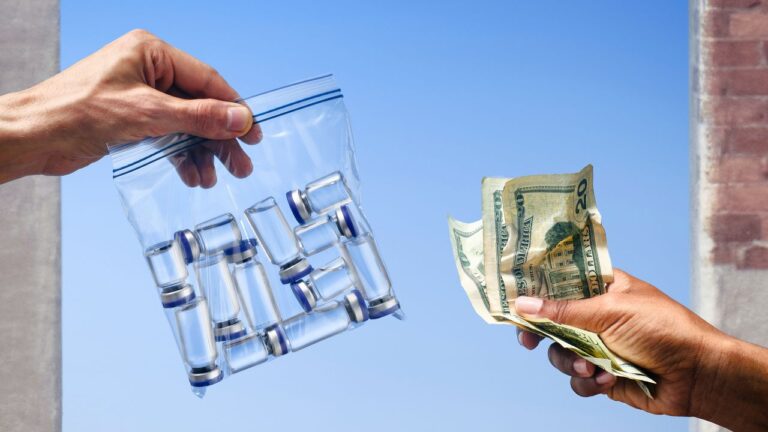
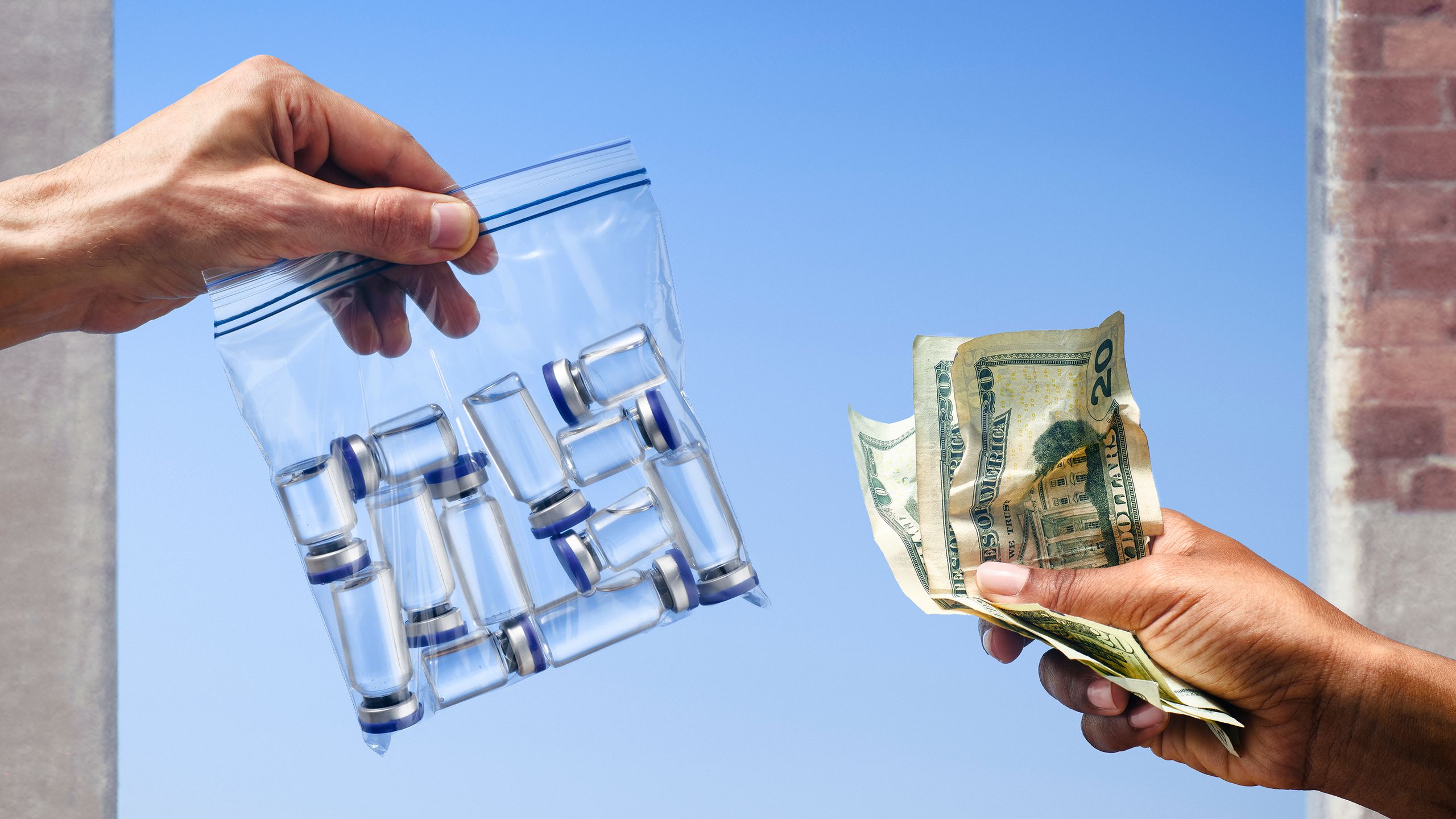
- Insurance companies dropped GLP-1 coverage in 2025, pushing nearly 1 in 5 Americans who had used the drugs toward unofficial suppliers, telehealth companies, and med spas.
- Telehealth companies use 'custom blends' with added vitamins to legally sidestep FDA restrictions on compounded GLP-1 duplicates, a workaround the agency is now targeting with warning letters.
- Content creators like Courtnay Kersh earn affiliate commissions for promoting telehealth GLP-1 services, creating financial incentives that doctors call unethical but patients see as practical access.
- Med spas and online providers approve GLP-1 prescriptions with minimal medical oversight—sometimes without bloodwork or physical exams—raising safety concerns from physicians.
When Wegovy coverage ended for Karen, a woman in her 50s, the math became brutal. She had lost 70 pounds in two years, moving freely again with medication she described as “the best thing I ever did.” But at $349 per month through her Wegovy savings card—impossible without insurance—she faced a choice that millions of other Americans were making in 2025: pay an unsustainable price or look elsewhere.
She looked elsewhere. A friend of a friend offered pre-filled syringes for $188 per four-week supply, allegedly sourced from overseas. Karen had no hesitation about making the purchase. “I think she was getting it from overseas,” Karen said, noting that her source was buying online, though she couldn’t confirm the exact origin. What she could confirm was that her intermediary had achieved significant weight loss using the same supplier.
When Insurance Coverage Ended
Karen’s predicament was far from isolated. GLP-1 medications—glucagon-like peptide-1 agonists sold under brand names including Wegovy, Ozempic, and Zepbound—became ubiquitous in conversations about weight loss, yet increasingly unavailable through insurance. Originally developed for type 2 diabetes, some GLP-1s received FDA approval for weight loss, and some for reducing heart disease risk. But starting in 2025, insurance companies systematically dropped coverage for the weight-loss indication, forcing patients to choose between paying hundreds of dollars monthly or seeking alternatives outside the traditional pharmacy system.
Over 9 million prescriptions for GLP-1s were written in the final three months of 2022 alone, and demand only intensified. This surge collided with a supply crisis. The FDA declared shortages of semaglutide and tirzepatide injection products, citing increased demand. Under federal law, shortages temporarily lifted restrictions on compounding pharmacies, allowing them to produce what the FDA termed “essentially copies” of branded drugs. These compounded versions underwent no FDA quality, safety, or efficacy review, but they cost substantially less than retail alternatives.
The shortages were officially resolved in 2024 for tirzepatide and in 2025 for semaglutide. Compounding pharmacies lost their legal permission to make these duplicate medications, with the grace period ending in early 2025. The gray market did not disappear—it reorganized.
The Gray Market Boom
Compounding Pharmacies During Shortages
Between the FDA’s shortage declaration and the grace period’s end, compounding pharmacies filled a critical gap for patients unable to access or afford branded GLP-1s. These unreviewed formulations delivered results for many people who reported successful weight loss at a fraction of retail cost. When the legal permission evaporated, so did the legitimacy of this channel—but not the demand that had created it.
Custom Blends and Telehealth Innovation
Telehealth companies discovered a regulatory workaround. Rather than compounding exact copies of branded drugs, they began selling what they marketed as “custom blends”—formulations with added vitamins like B12 that technically differentiated them from commercially available drugs, sidestepping the FDA’s ban on duplicates. “That’s why they’re calling them ‘peptides.’ That’s why they’re putting vitamins in them,” explained Dr. Sarah Finn, section chief of obesity medicine at Dartmouth Health’s Walter and Carole Young Center for Digestive Health. The FDA started cracking down on this workaround, sending three batches of warning letters—totaling over 100—to telehealth companies since September of the prior year, accusing them of “marketing false or misleading claims” about compounded GLP-1 products.
The warnings failed to stem the tide. According to data from the digital marketing platform Semrush, one major telehealth company saw website traffic spike in December 2025, when insurance coverage changes were announced, then spike again in March 2026. Traffic declined from that peak but remained elevated through July.
Street-Level Sources and Community Forums
The online ecosystem supporting gray-market GLP-1 access expanded rapidly. GLP-1-focused subreddits filled with patients seeking guidance on unofficial options after losing insurance coverage, though most communities maintained rules against openly naming specific suppliers. Recommendations pointed people toward Facebook groups, the forum glp1forum.com, and TikTok, where affiliate marketers operated openly. GLP1Forum’s estimated traffic climbed steadily in 2025 before surging in early 2026, reaching a peak in March and remaining above 380,000 estimated monthly visits by July.
Direct person-to-person sales like Karen’s left no digital trace, but the subreddits made clear these transactions were happening. Nearly 1 in 5 American adults had taken GLP-1 agonists at some point, according to research from KFF Health, and about a quarter of those patients obtained them from sources other than their primary care doctor or specialist.
The Influencer Accelerant
Courtnay Kersh’s Affiliate Journey
Courtnay Kersh, a registered nurse with nearly 20 years of clinical experience and over 28,000 TikTok followers, gained 100 pounds while pregnant in 2023. After she finished breastfeeding, she wanted to lose additional weight. Her doctor recommended the compounding route, and she obtained a GLP-1 through a telehealth company. In ten months, she lost 70 pounds—exceeding her target.
Thrilled by her results and determined to help others, Kersh joined the telehealth company’s affiliate network, earning a flat fee for every new customer she directly referred through her platform. A video she posted went viral in July 2025. “The commissions that I made were just out of this world,” she recalled. She quit her nursing job to focus on school and content creation, ultimately earning more than double the average American nurse’s monthly salary—though she emphasized this outcome was exceptional and not typical for affiliate marketers.
Kersh performed minimal due diligence before promoting the company. A friend had recommended it, and the medications had changed her life. As a medical professional, she was convinced by research showing GLP-1s could manage type 2 diabetes and reduce stroke and heart attack risk. She saw the market expanding and felt the moment was critical: “If I don’t do it now, I am going to be kicking myself in a year when it has blown up.”
Alternative Access Points
Med Spas With Minimal Oversight
For some patients, local med spas staffed with nurse practitioners offered an easier path than fighting insurance bureaucracy. Taylor, who wanted to lose 10 pounds, was denied a GLP-1 prescription by their primary care doctor based on weight thresholds. Their plastic surgeon suggested trying a med spa instead. The med spa approved Taylor’s prescription after a nurse practitioner examined their medical history, with no blood work performed (though the practitioner offered to place a lab order if Taylor wanted one). Taylor received four pre-filled syringes but found the dose too high. When the med spa suggested bringing the syringe in for adjustment—simply redistributing the contents into the vial—Taylor grew uncomfortable and switched to ordering from a telehealth company.
Breezy, a nurse in her 30s, had a markedly different experience. After struggling unsuccessfully since January to obtain GLP-1 coverage through her primary care doctor and insurance—a process she called “a headache”—she found ordering from a med spa or online provider effortless by comparison.
Medical Ethics and Regulatory Response
Physicians offered stark warnings about these alternatives. Dr. Chika Anekwe, obesity medicine clinical director at Massachusetts General Hospital, emphasized that unofficial suppliers provide “no insurance of the safety or efficacy of whatever it is that they’re giving you.” The FDA had received reports of adverse health events in patients who took compounded GLP-1s, a concern that Dr. Anekwe and others took seriously. Dr. Finn called the work of content creators promoting telehealth affiliate programs “quite unethical” and suggested that some companies were “trying to take advantage of our desperate patient population here.”
Yet both physicians also acknowledged the structural forces driving this behavior. When insurance coverage disappears, when compounding becomes illegal, when regulatory frameworks cannot keep pace with telehealth expansion, patients face a nearly impossible choice. Kersh articulated this bluntly: “Access to health care is not new,” she said. “If the hairdresser’s is the only place that I know how to get it, it’s like, ‘Well, I need it, so I guess I have to do it that way.’”
Frequently Asked Questions
Why did people start buying GLP-1 medications outside the traditional pharmacy system?
Starting in 2025, insurance companies dropped coverage for GLP-1 medications prescribed for weight loss. Patients faced monthly out-of-pocket costs of $349 or more with savings cards, pushing many to seek unofficial sources like telehealth companies, med spas, and street dealers.
How do telehealth companies legally sell GLP-1 drugs if they're not FDA-approved?
Telehealth companies market 'custom blends' that differ from branded GLP-1s by adding ingredients like B12. This technical difference allows them to skirt FDA rules against compounding exact duplicates of commercially available drugs, though the FDA has sent over 100 warning letters to such companies.
What are doctors most concerned about with unofficial GLP-1 sources?
Physicians like Dr. Chika Anekwe at Massachusetts General Hospital emphasize that unofficial suppliers provide no insurance of the safety or efficacy of what they're selling. Unlike FDA-approved drugs, compounded and telehealth GLP-1s undergo no quality or safety review before reaching patients.
